Immunosuppressive Therapy: What It Is, Who Needs It, and How It Works
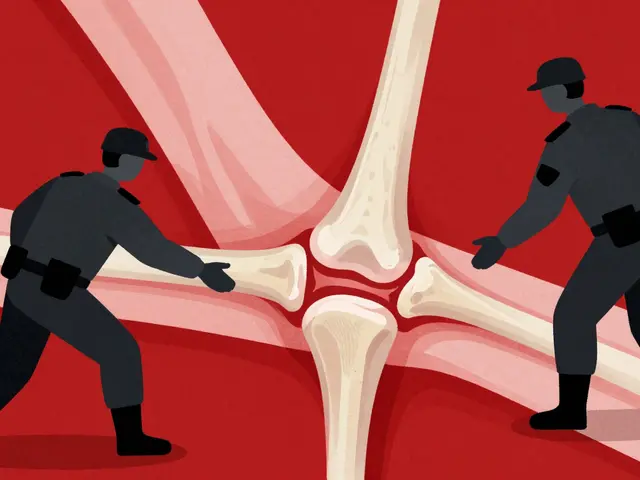
When your immune system turns against your own body, things go wrong fast. That’s where immunosuppressive therapy, a medical approach that reduces immune system activity to prevent damage to healthy tissues. Also known as immunosuppression, it’s not about weakening your body—it’s about stopping it from attacking itself. This isn’t just for rare conditions. Millions use it every year after organ transplants, or to manage diseases like rheumatoid arthritis, lupus, or Crohn’s. Without it, many would face organ rejection or worsening inflammation that destroys joints, skin, or intestines.
It works by targeting specific parts of the immune system. Some drugs, like biologic DMARDs, engineered proteins that block specific immune signals like TNF-alpha, act like precision tools. Others, like cyclosporine or azathioprine, are broader and affect more cells. The goal isn’t to shut down immunity completely—just to dial it back to a safe level. That’s why patients on these drugs need regular blood tests. Too much suppression means infections can sneak in; too little and the disease flares up again.
People who’ve had kidney, liver, or heart transplants rely on this therapy for life. Their bodies see the new organ as an invader. Immunosuppressive drugs help the body accept it. But it’s not just about transplants. Autoimmune diseases like multiple sclerosis or psoriasis also respond to these treatments. And while side effects like increased infection risk or fatigue are real, they’re often manageable with careful monitoring. What’s clear from the research—and from patient stories—is that for many, this therapy isn’t optional. It’s the difference between constant pain and a life that feels normal again.
What you’ll find in the posts below are real-world examples of how this therapy fits into daily life. From how biologic DMARDs help rheumatoid arthritis patients reach remission, to how managing multiple medications reduces side effects, these articles cut through the noise. You’ll see how nutrition, drug interactions, and even sleep habits play into treatment success. No fluff. Just what matters when your immune system needs to be reined in.
20
Nov
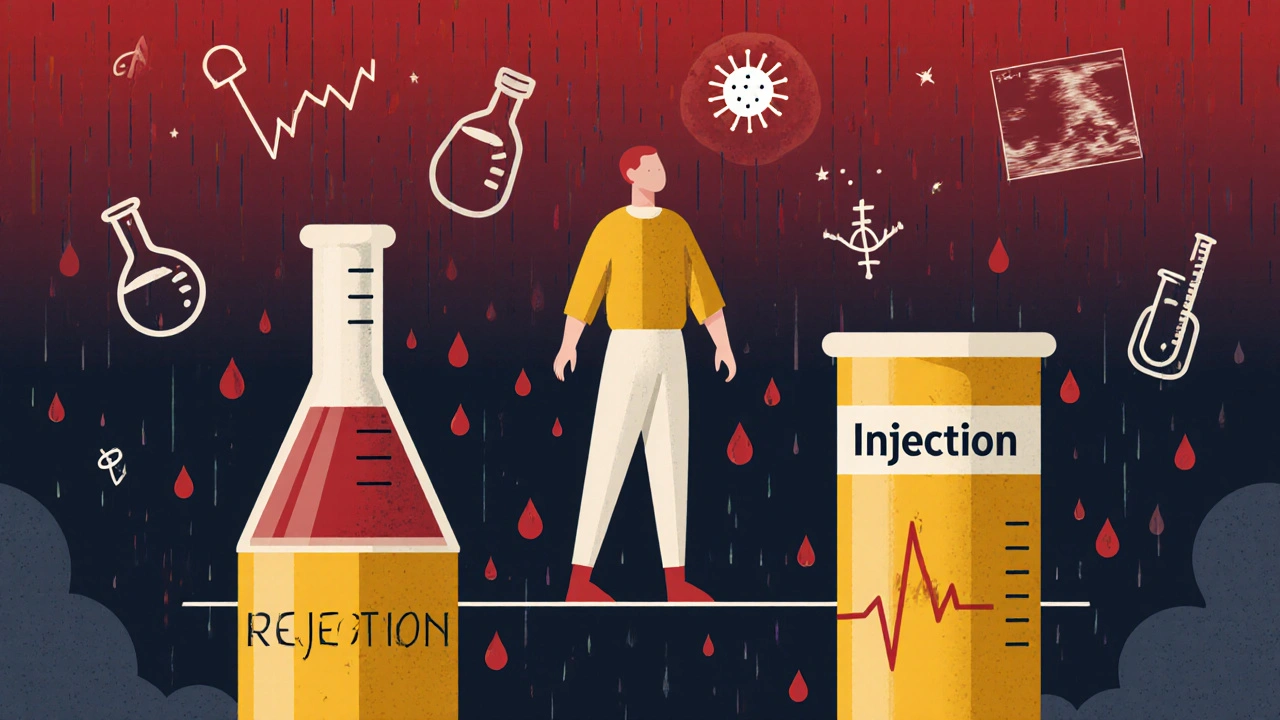
Essential lab tests and imaging for patients on immunosuppressive therapy to prevent rejection, infection, and drug toxicity. Learn about TDM, TTV monitoring, and key blood markers for safety.