Lab Tests for Immunosuppressants: What You Need to Know
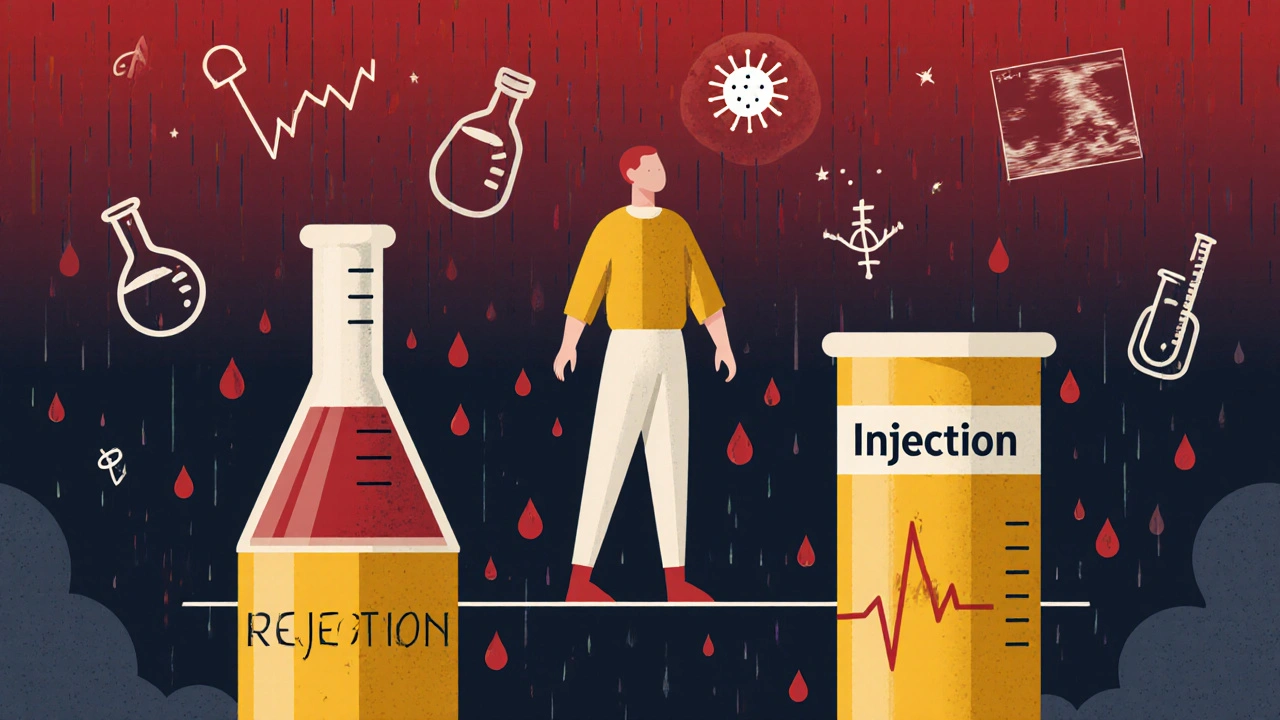
When you’re taking immunosuppressants, medications that reduce your immune system’s activity to prevent organ rejection or control autoimmune diseases. Also known as anti-rejection drugs, they’re life-saving—but they need careful tracking. These drugs don’t work the same for everyone. Your body’s metabolism, diet, other medications, and even your gut bacteria can change how much of the drug stays in your system. That’s why therapeutic drug monitoring, the process of measuring drug levels in your blood to ensure they’re in the right range isn’t optional—it’s essential.
Without regular lab tests, you’re flying blind. Too low, and your body might start attacking the transplanted organ. Too high, and you could end up with kidney damage, infections, or even cancer. Common immunosuppressive medications, like tacrolimus, cyclosporine, and mycophenolate all require different testing schedules. Tacrolimus, for example, often needs blood drawn twice a week at first, then every few weeks once things stabilize. Cyclosporine has a narrower safety window and can interact with grapefruit juice, green tea, or even certain antibiotics. These aren’t just side notes—they’re deal-breakers if ignored.
It’s not just about the drug level. Your doctor will also check your kidney and liver function, blood cell counts, and sometimes even vitamin D or cholesterol. Why? Because immunosuppressants don’t just affect your immune system—they strain your organs. A single lab panel can show if your creatinine is rising (a sign your kidneys are struggling) or if your white blood cells are dropping (a red flag for infection risk). These aren’t separate issues—they’re all connected to the same drugs you’re taking.
Some patients think once they’re stable, they can skip tests. That’s how problems sneak in. A change in diet, a new supplement, or even a cold can throw your levels off. One patient I spoke with stopped checking his tacrolimus after six months because he felt fine. Three months later, he had a kidney rejection. He didn’t feel sick until it was too late. That’s why labs aren’t about how you feel—they’re about what’s happening inside your blood.
You’re not just a patient. You’re the most important part of the monitoring team. Keep a log of your doses, when you eat, and any new symptoms. Bring it to every appointment. Ask your pharmacist if anything you’re taking could interfere. And never, ever adjust your dose based on how you feel. The numbers on the lab report are your real guide.
Below, you’ll find real-world guides on how these drugs interact with other medications, how to spot early signs of trouble, and what to do when your lab results don’t look right. These aren’t theoretical—they’re from people who’ve been through it. You’re not alone in this. The right info can mean the difference between staying healthy and facing a hospital stay.