Medication Side Effects: What They Are, Why They Happen, and How to Handle Them
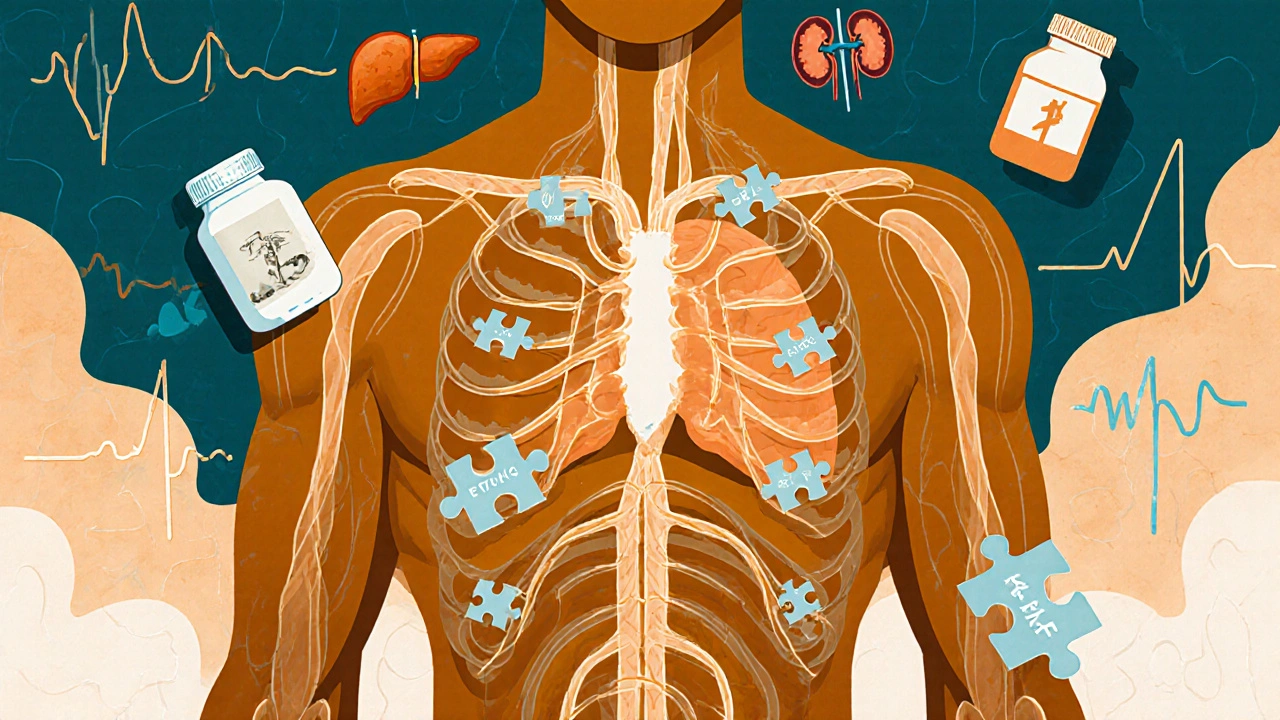
When you take a medication side effect, an unintended reaction to a drug that occurs at normal doses. Also known as adverse drug reactions, these are not mistakes—they’re part of how drugs interact with your body’s complex systems. Every pill, injection, or inhaler you use has a purpose, but it doesn’t just target the problem. It touches everything along the way. That’s why you might get a dry mouth from an antihistamine, dizziness from a blood pressure pill, or nausea from an antibiotic—even when you’re taking it exactly as prescribed.
These reactions aren’t random. They’re tied to how your liver processes the drug, how your kidneys clear it, and how your brain or gut responds to its chemical changes. Some side effects are mild and fade after a few days. Others, like anticholinergic burden, the combined effect of multiple drugs that block acetylcholine, increasing dementia and fall risk, build up slowly over months. That’s why people on several medications—especially older adults—are at higher risk. It’s not about taking too many pills; it’s about how they work together. Even something as simple as Coenzyme Q10, a supplement often taken for heart health or energy can interfere with blood thinners or statins. And then there are the hidden ones: brain zaps from stopping antidepressants too fast, or liver damage from long-term NSAIDs that never showed up on a routine test.
What you see on the label is just the tip of the iceberg. Real side effects show up in daily life: forgetting to take your pills because of drowsiness, skipping doses because of stomach upset, or avoiding treatment because you’re scared of what might happen. That’s why understanding your meds isn’t just about reading the insert—it’s about recognizing patterns in how you feel, knowing when to call your doctor, and learning how to track changes over time. Some side effects are manageable with small tweaks—like taking a pill with food, adjusting the time of day, or adding a simple habit like setting a phone reminder. Others need a switch to a different drug entirely.
This collection of articles doesn’t just list side effects. It shows you how they connect—to pregnancy, to surgery, to diet, to aging, to other drugs you might not even realize you’re taking. You’ll find real examples: how antibiotics change your gut during pregnancy, why immunosuppressants need regular blood tests, how antidepressants can cause withdrawal even when you’re not quitting cold turkey, and why a common allergy pill might be quietly harming your memory. There’s no guesswork here. Each post is built from real cases, real data, and real questions people ask their pharmacists.
By the end of these articles, you won’t just know what side effects are—you’ll know how to spot them early, how to talk to your doctor about them without sounding paranoid, and how to protect yourself without avoiding treatment altogether. Because the goal isn’t to scare you off meds. It’s to help you use them smarter.