Polypharmacy: When Multiple Medications Risk Your Health
When someone takes polypharmacy, the regular use of five or more medications at the same time. Also known as multiple drug therapy, it’s not always a mistake—it’s often the result of seeing different doctors, treating separate conditions, or just losing track of what’s what. But when these drugs interact, the risks aren’t theoretical. They’re in hospital rooms, ER visits, and the quiet confusion of older adults who can’t remember if they took their pill.
It’s not just about the number of pills. It’s about what they do together. Take anticholinergic burden, the cumulative effect of drugs that block acetylcholine in the brain. Also known as anticholinergic load, it’s what happens when someone takes Benadryl for sleep, an antihistamine for allergies, and a bladder control med—all on top of blood pressure pills. This combo doesn’t just cause dry mouth. It can fog your thinking, increase fall risk, and even speed up dementia. And it’s not rare. Studies show over 30% of older adults on multiple meds have dangerous levels of this hidden burden. Then there’s therapeutic drug monitoring, tracking blood levels of drugs like tacrolimus or warfarin to avoid toxicity. Also known as TDM, it’s the safety net for drugs with narrow windows between helping and harming. But if you’re on six meds and only one is being monitored, the rest are flying blind. These aren’t isolated issues. They’re parts of the same system: too many drugs, too little oversight.
Look at the posts below. You’ll see how polypharmacy shows up in real life: in the elderly taking antihistamines that dull their mind, in cancer patients on lenalidomide with blood thinners, in diabetics using NSAIDs that mess with glucose, and in people on immunosuppressants who forget their liver can’t handle another pill. It’s in the man who takes CoQ10 for his heart, not knowing it weakens his blood pressure meds. It’s in the woman who tapers off antidepressants too fast because no one told her about brain zaps. These aren’t edge cases. They’re the daily reality for millions.
There’s no magic fix. But there’s a better way. It starts with asking: Do I really need all these? Which one can I drop? Who’s watching the whole picture? The answers aren’t always easy. But the cost of not asking? That’s far worse.
18
Nov
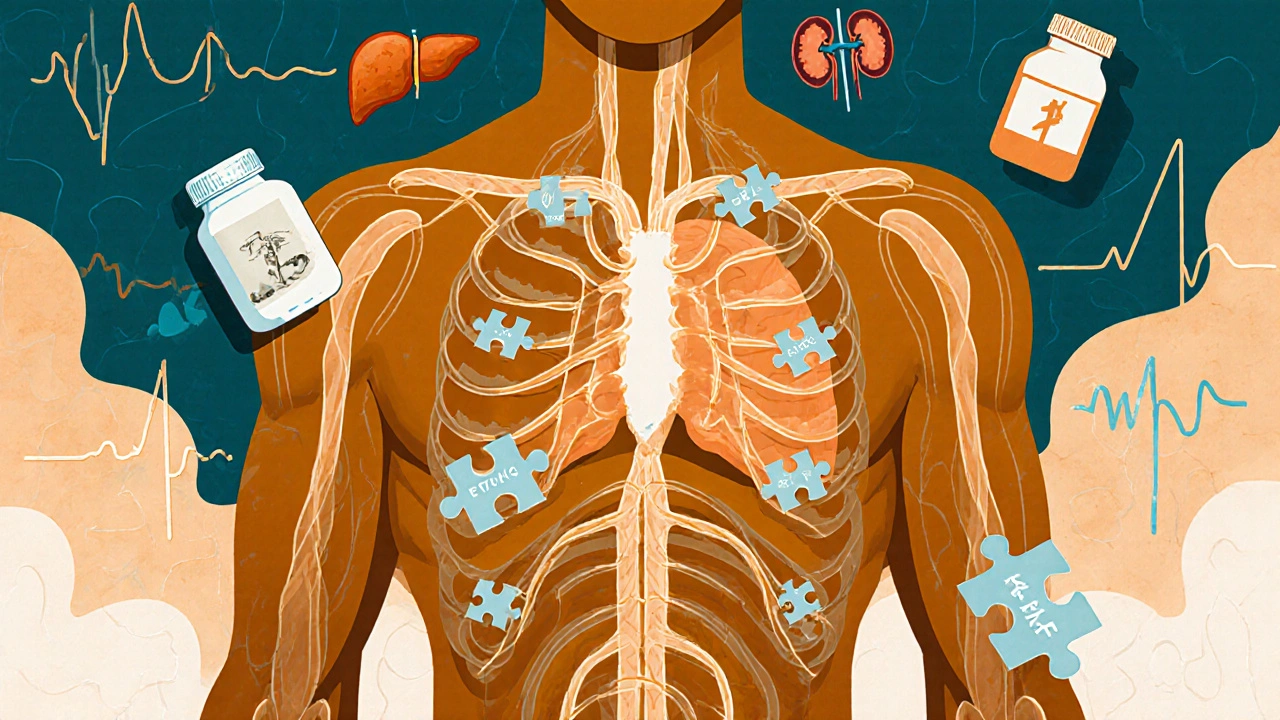
Your past health conditions, medications, and age can dramatically increase your risk of dangerous side effects. Learn how your medical history shapes your body’s response to drugs - and what steps you can take to stay safe.