
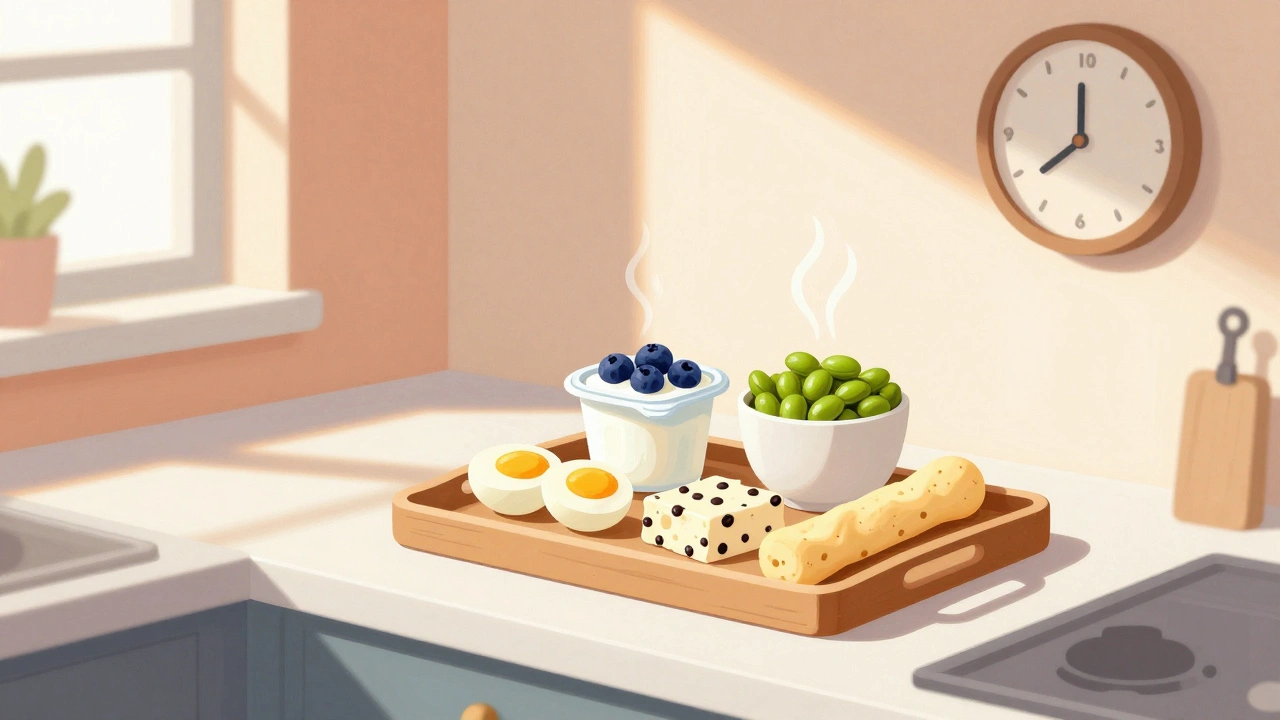
When you're trying to manage your weight, snacking doesn’t have to mean sabotage. In fact, the right snacks can help you stay full longer, avoid overeating at meals, and even preserve muscle as you lose fat. The secret? High-protein, low-calorie options. These snacks aren’t just trendy-they’re backed by science. Studies show that protein triggers hormones that tell your brain you’re full, and it takes more energy to digest than carbs or fat. That means you burn more calories just by eating them.
Why Protein Snacks Work for Weight Loss
Not all snacks are created equal. A bag of chips might satisfy a craving, but it won’t keep you from reaching for more an hour later. Protein does. Research from the American Journal of Clinical Nutrition shows that snacks with 15-20g of protein reduce hunger by 12-15% compared to carb-heavy snacks. That’s the difference between grabbing a second cookie and walking away.
Protein also helps protect muscle mass during weight loss. When you cut calories, your body can break down muscle for energy. But if you’re eating enough protein throughout the day-especially in snacks-you signal your body to hold onto muscle. The Journal of the International Society of Sports Nutrition recommends 20-40g of protein per eating occasion to maximize muscle repair. That’s why spreading protein across meals and snacks matters more than just hitting a daily total.
Top 10 High-Protein, Low-Calorie Snacks
Here are real, practical snacks that deliver 10g or more of protein for under 200 calories. These are based on actual nutritional data from USDA FoodData Central and verified by dietitians.
- Hard-boiled eggs (2 large): 12g protein, 156 calories. Simple, portable, and endlessly versatile. Sprinkle with salt, pepper, or everything bagel seasoning.
- Non-fat Greek yogurt (100g): 10g protein, 59 calories. Choose unsweetened. Add a handful of blueberries for fiber and antioxidants.
- Cottage cheese (1/2 cup, 2%): 14g protein, 90 calories. Pair with sliced cucumber or pineapple for a sweet-savory combo.
- Edamame (1 cup, steamed, salted): 17g protein, 189 calories. High in fiber too-8g per cup. Buy pre-shelled to save time.
- String cheese (1 stick, part-skim): 7g protein, 80 calories. Perfect for quick grabs. Keep a pack in your bag or desk drawer.
- Roasted chickpeas (1/2 cup): 7g protein, 135 calories. Crunchy, satisfying, and packed with fiber. Look for brands with no added sugar or oil.
- Hard-boiled egg muffins (2): 12g protein, 140 calories. Bake a batch on Sunday. Mix eggs with spinach, diced bell pepper, and a pinch of paprika.
- Tuna salad (1/2 can in water, mixed with 1 tsp Greek yogurt): 20g protein, 120 calories. Serve on cucumber slices or whole grain crackers for extra fiber.
- Protein shake (1 scoop whey or plant-based powder, mixed with water): 20-25g protein, 100-130 calories. Avoid flavored versions with added sugar. Unflavored blends work best.
- Cottage cheese bark (1/4 cup melted cottage cheese, topped with chia seeds and dark chocolate chips): 12g protein, 160 calories. Freeze for 2 hours. Break into pieces. Tastes like dessert but acts like a meal.
Plant-Based vs. Animal-Based: What’s Better?
Some people prefer plant-based snacks. Others stick with animal proteins. Neither is “better”-they just work differently.
Animal proteins like eggs, dairy, and chicken are “complete,” meaning they contain all nine essential amino acids your body can’t make on its own. That makes them more efficient for muscle repair. A 3oz chicken breast gives you 26g protein for 140 calories. Hard to beat.
Plant proteins like tofu, edamame, and chickpeas are slightly less dense in protein per calorie, but they bring something animal proteins don’t: fiber. A cup of edamame gives you 17g protein and 8g fiber. Fiber slows digestion, keeps blood sugar steady, and boosts fullness even more. That’s why snacks like hummus with bell peppers or roasted chickpeas often feel more satisfying than a protein bar.
Want the best of both? Combine them. Add a spoonful of Greek yogurt to a plant-based smoothie. Sprinkle hemp seeds on cottage cheese. You’ll get complete amino acids plus extra fiber and healthy fats.
What to Avoid
Not every snack labeled “high-protein” is actually good for weight loss.
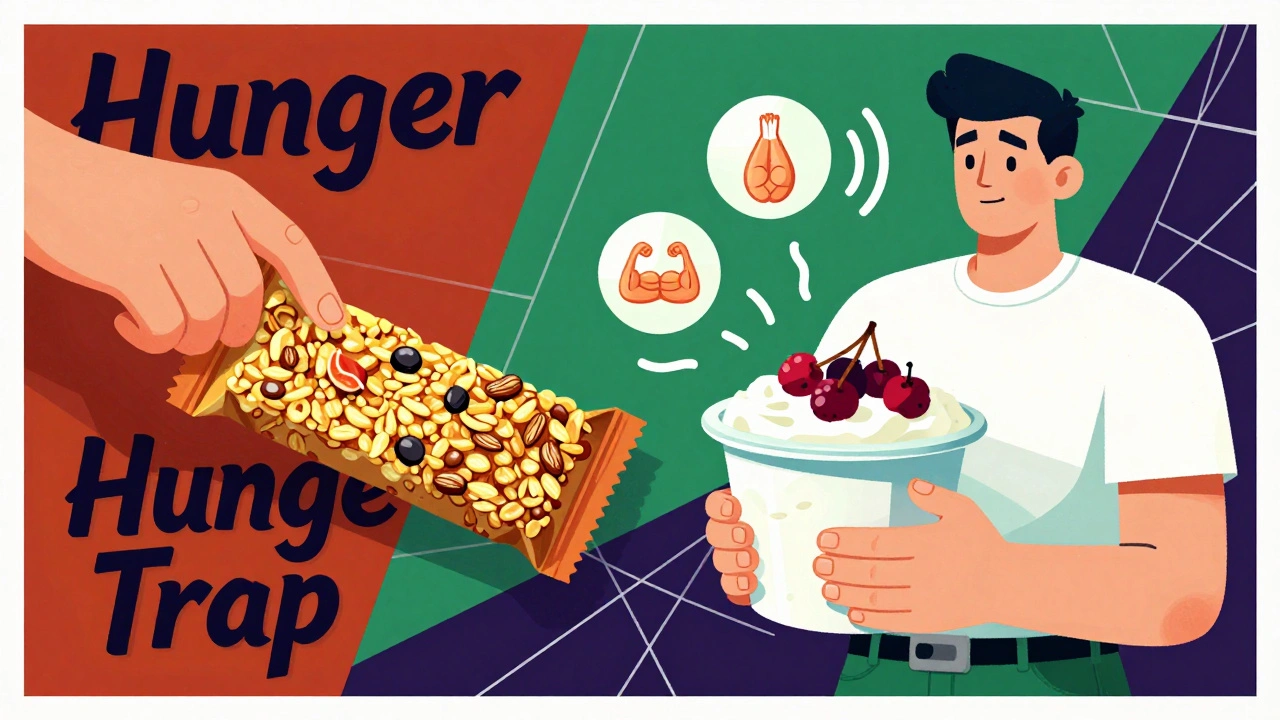
Many protein bars are loaded with sugar alcohols (like erythritol or maltitol), which can cause bloating or diarrhea in sensitive people. One popular brand has 12g of sugar alcohol per bar-equivalent to 4 teaspoons of sugar. Another common trap: protein bars with 20g protein but 250+ calories and 15g sugar from dates or honey. That’s not a snack-it’s a dessert.
Jerkies can be a good option, but check the sodium. One ounce of beef jerky can contain 600mg of sodium-nearly a quarter of your daily limit. Look for low-sodium versions or make your own with lean cuts and spices.
Protein bagels? They’re dense, chewy, and often packed with refined flour and added sugar. A single one can hit 300 calories and 15g sugar. Skip it.
How to Make These Snacks Work in Real Life
Knowing what to eat is one thing. Actually doing it is another. Here’s how to make high-protein snacking stick.
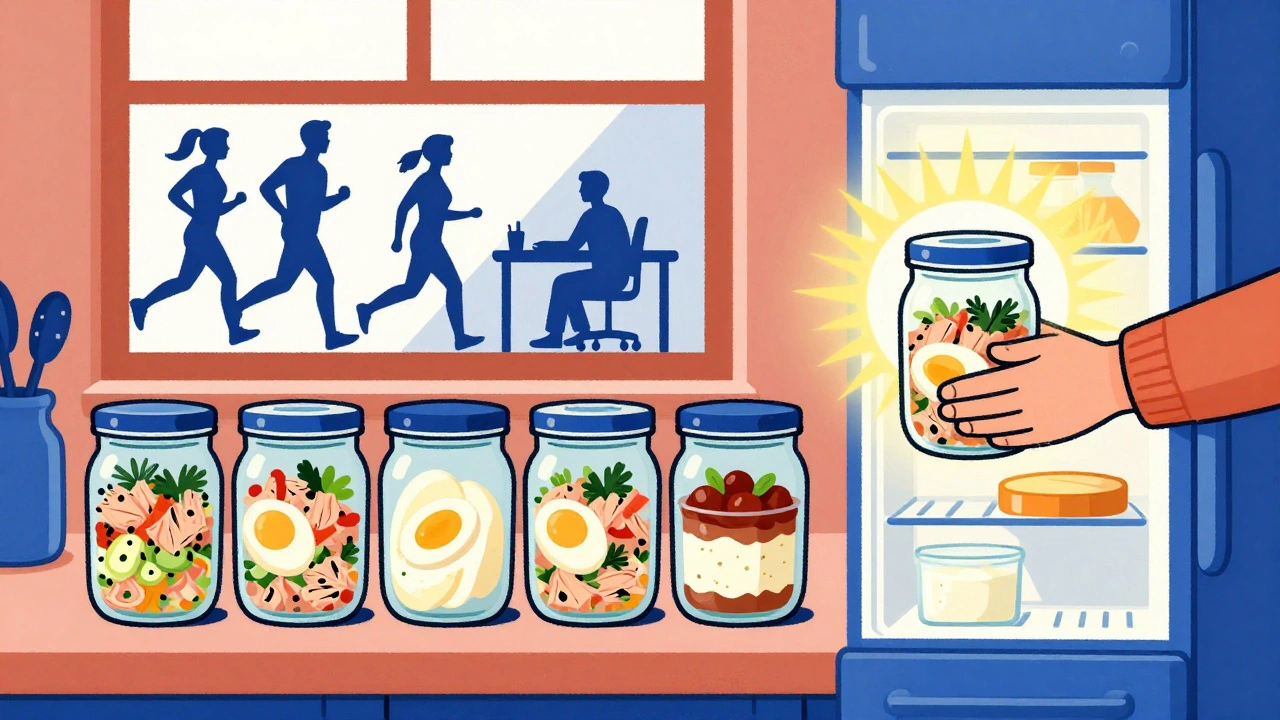
- Prep on Sunday: Boil a dozen eggs. Portion cottage cheese into small containers. Cook a batch of edamame. It takes 20 minutes and lasts all week.
- Keep it visible: Store snacks at eye level in the fridge. Put a container of hard-boiled eggs next to your coffee maker. Out of sight = out of mind.
- Use containers: Buy small glass jars or silicone molds. Fill them with tuna salad, cottage cheese bark, or yogurt parfaits. Grab and go.
- Start small: If you’re new to this, begin with one snack a day. Try a hard-boiled egg mid-morning. Then add another in the afternoon.
- Track for a week: Use MyFitnessPal or a simple notebook. You’ll quickly see how much protein you’re really getting-and where you’re falling short.
When to Eat Them
Timing matters. Eating protein within 30 minutes of waking up helps stop muscle breakdown that happens overnight. A 2023 study from the International Protein Board recommends 15-20g of protein within 45 minutes of rising.
Post-workout is another key window. Your muscles are primed to absorb protein. A shake or cottage cheese with fruit within 45 minutes after training can speed recovery.
But don’t wait until you’re starving. Snack when you’re mildly hungry-around 2-3 hours after a meal. That’s when your energy dips, and your brain starts screaming for sugar. A protein snack keeps you steady.
Real People, Real Results
Reddit users on r/loseit consistently rank cottage cheese with berries as the most satisfying snack under 150 calories. One user wrote: “I used to snack on granola bars. I’d be hungry again in an hour. Now I eat cottage cheese. I don’t even think about food until lunch.”
Amazon reviews for Quest protein bars show a pattern: people love the protein content, but 23% complain about digestive upset from sugar alcohols. Meanwhile, RXBARs get high ratings for clean ingredients-but users note the sugar comes from dates, which adds up.
And here’s something surprising: texture matters more than you think. Delish’s taste testers gave cottage cheese bark a 4.5/5 for satisfaction, while protein bars scored 3.8/5-even when they had the same protein and calorie count. Crunch, creaminess, and temperature all affect how full you feel.
Final Thought: It’s Not About Perfection
You don’t need to eat high-protein snacks every single day. But if you swap out one sugary snack a day for a protein-rich one, you’ll notice a difference in energy, cravings, and waistline over time. The goal isn’t to eat perfectly-it’s to make smarter choices consistently.
Start with one snack. Try the hard-boiled egg. Then add the Greek yogurt. Then the edamame. You don’t need fancy equipment, expensive supplements, or a strict plan. Just protein. Enough to fill you up. Not enough to weigh you down.
Can I eat high-protein snacks if I’m not trying to lose weight?
Absolutely. High-protein snacks aren’t just for weight loss-they help anyone maintain muscle, stabilize energy, and avoid blood sugar crashes. Athletes, older adults, and busy professionals all benefit from spreading protein across the day. Even if you’re maintaining your weight, these snacks keep you feeling sharp and satisfied.
Are protein powders necessary for high-protein snacking?
No. Whole foods like eggs, yogurt, cottage cheese, and tofu provide all the protein you need. Protein powder is convenient for some people-especially after workouts or when traveling-but it’s not better than food. In fact, many powders contain additives, sweeteners, or fillers you don’t need. Stick to real food unless you’re struggling to meet protein goals without it.
How much protein should I aim for per snack?
Aim for 10-20g per snack. Less than 10g won’t trigger strong satiety signals. More than 30g doesn’t add extra benefit and might crowd out other nutrients. For most people, 15g is the sweet spot-enough to curb hunger, not so much that it feels like a meal.
Can plant-based snacks provide enough protein?
Yes, but you need to be intentional. Single plant foods like lentils or tofu are lower in one or two essential amino acids. Combine them-like hummus with whole grain pita, or rice with beans-to get a complete profile. Edamame, tempeh, and seitan are complete proteins on their own. Pairing plant proteins with a little dairy or egg also works well.
Why do some high-protein snacks make me feel bloated?
It’s usually sugar alcohols (like erythritol or maltitol) in protein bars or shakes. These are used to sweeten without adding sugar, but they’re poorly absorbed by the gut and can cause gas or bloating. Check the ingredients. If you see “maltitol,” “erythritol,” or “isomalt,” avoid it. Stick to snacks sweetened with stevia, monk fruit, or no added sweetener at all.
Is it okay to eat these snacks before bed?
Yes-if you’re hungry. A small snack with 10-15g of protein before bed can help prevent overnight muscle breakdown, especially if you’re active. Cottage cheese is ideal because it contains casein, a slow-digesting protein. Just keep it under 200 calories. Avoid sugary options, which can spike insulin and disrupt sleep.
Paul Dixon
December 12, 2025 AT 10:41Hard-boiled eggs are my go-to. I keep a dozen in the fridge at all times. Sprinkle with everything bagel seasoning and boom - instant satisfaction without the crash. No fancy gear, no prep time. Just pure protein magic.
john damon
December 13, 2025 AT 18:36Protein bars are a scam 😤 I bought one labeled ‘healthy’ and ended up with a stomachache and a sugar hangover. Stick to real food. Eggs. Yogurt. Edamame. Done.
matthew dendle
December 14, 2025 AT 09:38Wow another ‘high protein snack’ list. Did you forget to mention that people who eat this stuff still gain weight if they eat too much? 😂 Protein isn’t magic. It’s just less likely to make you pass out from a sugar crash. Congrats on noticing that.
Katherine Liu-Bevan
December 14, 2025 AT 20:44Important note: Cottage cheese bark is genius. I made it last week with 2% cottage cheese, chia seeds, and 70% dark chocolate. Frozen, it’s like a protein popsicle. No one believes it’s healthy until they taste it. Also, pre-portioning in silicone molds makes it snack-ready all week.
Lisa Stringfellow
December 15, 2025 AT 18:53I tried all of these. I still crave cookies. This whole ‘protein snack’ thing feels like a cult. You’re not fooling anyone. You just swapped one addiction for another.
Jimmy Kärnfeldt
December 16, 2025 AT 23:18There’s something beautiful about how simple this is. No supplements. No diets. Just food. Hard-boiled eggs, Greek yogurt, edamame - stuff humans have eaten for centuries. We overcomplicate nutrition so much. Sometimes the answer’s just… protein. And patience.
Kristi Pope
December 18, 2025 AT 21:02Love this list!! I’m a mom of three and I’ve been snacking on cottage cheese with pineapple since last month. My energy’s steady, I’m not grabbing candy at 3pm anymore, and my kids even ask for it now. Who knew healthy could taste like dessert? 🌟
Courtney Blake
December 18, 2025 AT 21:15Plant-based protein? Please. You need animal protein to build muscle. Soy is a hormone disruptor. Edamame is fine once in a while, but don’t pretend it’s equal to eggs or chicken. This ‘plant superiority’ trend is just marketing.
Aman deep
December 19, 2025 AT 16:16As someone from India, I’ve been eating roasted chickpeas since childhood - we call them bhuna chana. Super crunchy, super cheap. Add a dash of chaat masala and boom - 7g protein, zero guilt. Also, if you like spicy, try mixing it with a little cayenne. Life changer.
Ariel Nichole
December 19, 2025 AT 20:50Just tried the tuna salad on cucumber slices. Holy moly. It’s like a mini sushi roll but better. No bread, no carbs, just fresh, salty, creamy goodness. I’m hooked. Thanks for the idea - this is the kind of tip that actually sticks.
Eddie Bennett
December 20, 2025 AT 05:38For real - texture is everything. I tried a protein bar that had the same calories and protein as cottage cheese bark… but it was chewy and bland. The bark? Crunchy, cold, sweet, creamy. My brain went ‘this is a treat’ and I didn’t feel deprived. Psychology matters as much as macros.
Vivian Amadi
December 20, 2025 AT 08:09You’re all missing the point. If you’re snacking at all, you’re doing it wrong. Just eat three meals. Stop grazing. Your insulin will thank you.
Sylvia Frenzel
December 22, 2025 AT 03:35I’ve been eating these snacks for 6 months. Lost 18 lbs. No gym. No keto. Just protein snacks between meals. I used to snack on cereal. Now I snack on hard-boiled eggs. I don’t miss the cereal. I miss the energy crashes. This isn’t a trend. It’s a reset.