Antibiotic Allergy: What It Is, How It Happens, and What to Do Next
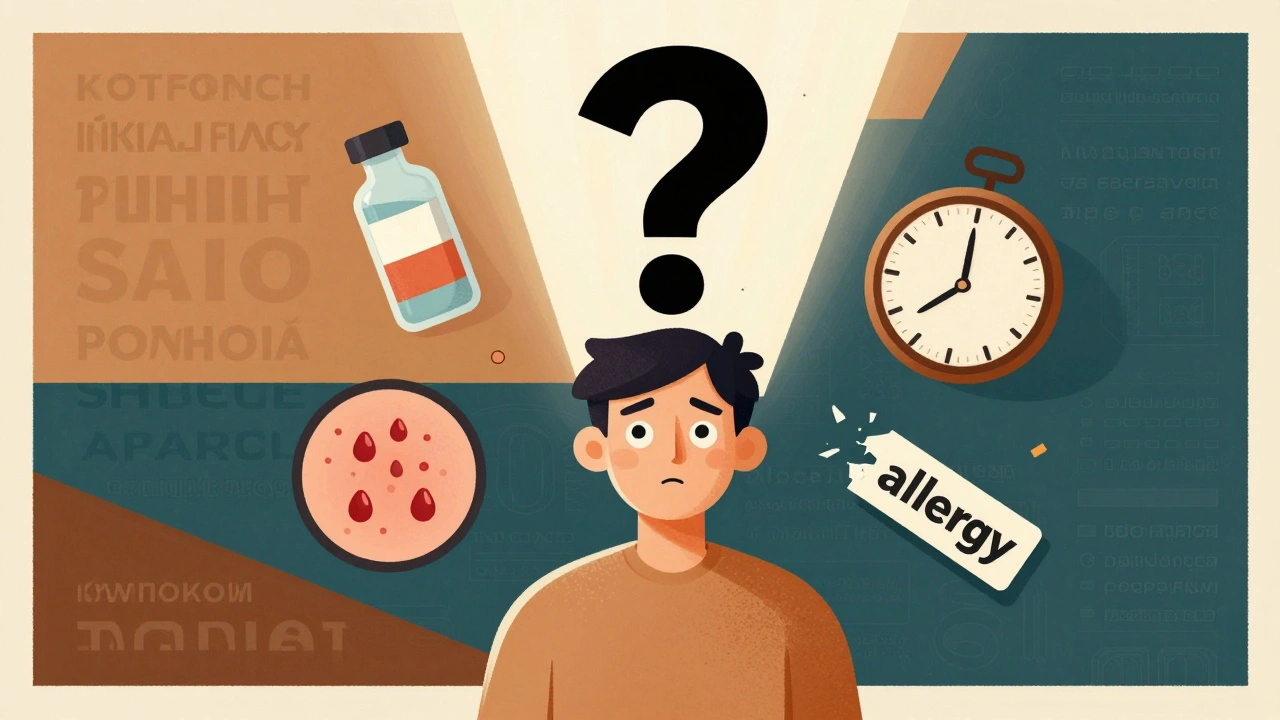
When your body overreacts to an antibiotic allergy, an immune system response to a medication that’s meant to kill bacteria. Also known as drug allergy to antibiotics, it’s not just a stomach upset or a mild itch—it’s your body treating a harmless drug like a dangerous invader. This isn’t the same as a side effect. Side effects like nausea or dizziness happen to anyone, no matter their immune system. An antibiotic allergy only happens to people whose bodies have been sensitized to the drug, often after prior exposure.
One of the most common triggers is penicillin, a widely prescribed antibiotic class that includes amoxicillin and ampicillin. About 10% of people say they’re allergic to penicillin, but studies show up to 90% of them aren’t truly allergic—either they outgrew it, misremembered a reaction, or confused a side effect for an allergy. That’s why getting tested matters. If you were told you’re allergic as a kid, you might be able to safely take it again now. Other antibiotics like sulfa drugs, cephalosporins, and vancomycin can also trigger real allergic reactions, including hives, swelling, trouble breathing, or even anaphylaxis—a medical emergency that needs immediate treatment. The symptoms can show up minutes after taking the pill or days later. A rash that appears after a few days might be a delayed reaction, not a classic allergy, but it still needs attention. Ignoring it could mean you’re forced to use stronger, more expensive, or more toxic antibiotics next time you’re sick.
Knowing your true allergy status helps you avoid unnecessary risks. If you’ve had a reaction, write down the drug name, the symptoms, and when they happened. Bring that to your doctor or an allergist. They can do skin tests or supervised challenges to confirm whether it’s real. If it is, you’ll need to carry a medical alert card and make sure every provider knows before prescribing anything. If it’s not, you open up safer, cheaper treatment options. This isn’t just about avoiding rashes—it’s about making sure you get the right medicine when you need it most.
Below, you’ll find real stories and science-backed advice from people who’ve dealt with antibiotic reactions, from misdiagnosed rashes to life-saving allergy testing. Whether you’re worried about a past reaction or just want to understand what’s happening when your body says no to a pill, these posts give you the facts you need to stay safe and informed.