Glimepiride: What It Is, How It Works, and What You Need to Know
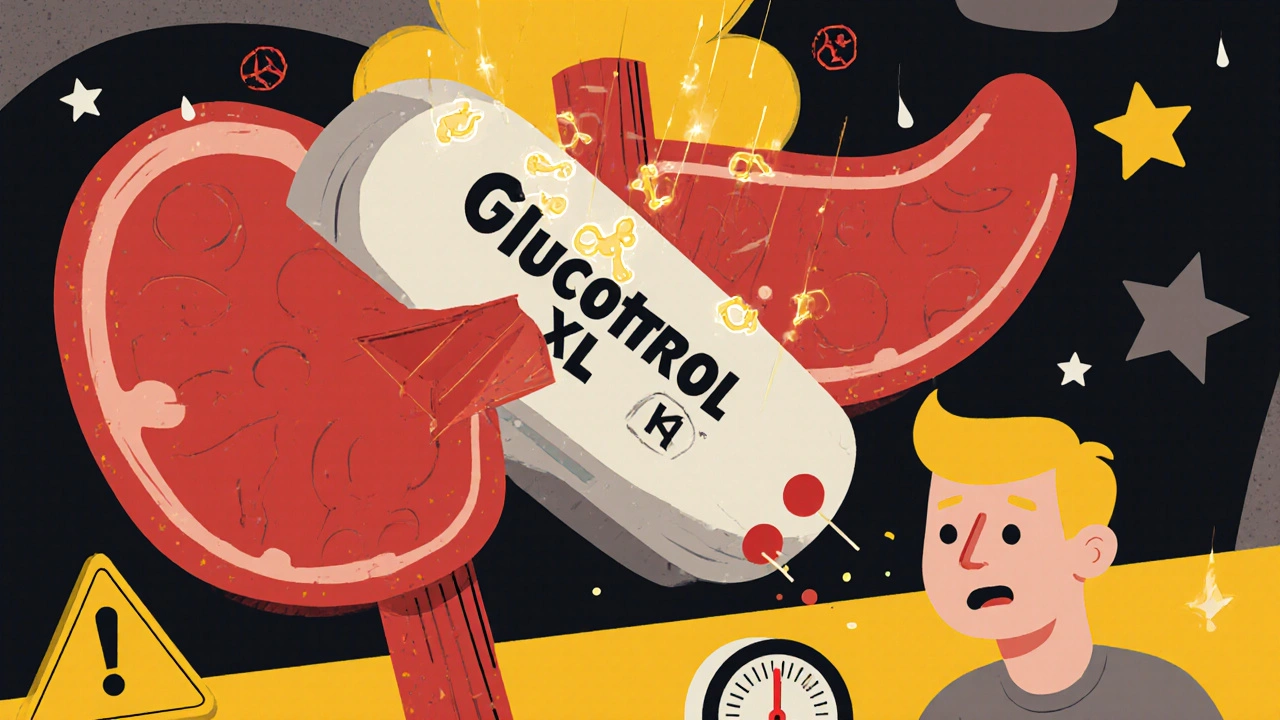
When you have glimepiride, a once-daily oral medication used to treat type 2 diabetes by helping the pancreas release more insulin. Also known as a sulfonylurea, it’s one of the oldest and most widely prescribed drugs for managing blood sugar in adults who still produce some insulin. Unlike insulin injections, glimepiride doesn’t require needles—it’s a simple pill you take with your first meal of the day. But it’s not just about popping a tablet. It works by forcing your pancreas to pump out more insulin, which then pulls glucose out of your bloodstream and into your cells. That’s how it lowers your blood sugar. But if your pancreas is worn out from years of overwork, glimepiride won’t help much. That’s why it’s not used for type 1 diabetes.
Glimepiride doesn’t work in a vacuum. It’s part of a bigger system. Your type 2 diabetes, a condition where your body becomes resistant to insulin or doesn’t make enough of it is influenced by what you eat, how much you move, and what other meds you take. Glimepiride can interact with other drugs—like beta-blockers, which might hide low blood sugar symptoms—or with supplements like magnesium or chromium, which can boost its effect. And because it pushes your body to make more insulin, the biggest risk isn’t high blood sugar—it’s low blood sugar, or hypoglycemia. That’s when you feel shaky, sweaty, confused, or even pass out. It’s not rare. People on glimepiride often need to carry hard candy or glucose tablets just in case.
It’s also not a one-size-fits-all solution. Some people take it alone. Others combine it with metformin, which tackles insulin resistance, or with DPP-4 inhibitors that help the body keep its own insulin active longer. But glimepiride doesn’t fix the root problem—insulin resistance. It just adds more insulin to the system. That’s why doctors often start with metformin first. Glimepiride usually comes in when metformin isn’t enough, or when someone can’t tolerate it. And because it can cause weight gain, it’s not ideal for people already struggling with obesity. Your age, kidney function, and other health issues all matter. Older adults, for example, are more prone to dangerous drops in blood sugar.
There’s no magic here. Glimepiride isn’t a cure. It’s a tool. And like any tool, it only works if you use it right. You still need to watch your carbs, stay active, and check your blood sugar regularly. Missing doses or drinking alcohol on an empty stomach can trigger a low-blood-sugar episode. And if your blood sugar stays high despite taking it, that’s a sign your body might be losing its ability to respond—time to talk to your doctor about switching or adding another medication.
What you’ll find below are real, practical posts from people who’ve lived with this drug. You’ll read about how to spot early signs of low blood sugar before it turns dangerous. You’ll learn how glimepiride stacks up against other pills like glyburide or glipizide. You’ll see how diet changes can make it work better—or worse. And you’ll find out why some people stop taking it—not because it doesn’t work, but because the side effects aren’t worth it. This isn’t theory. These are the stories, tips, and warnings from people who’ve been there.