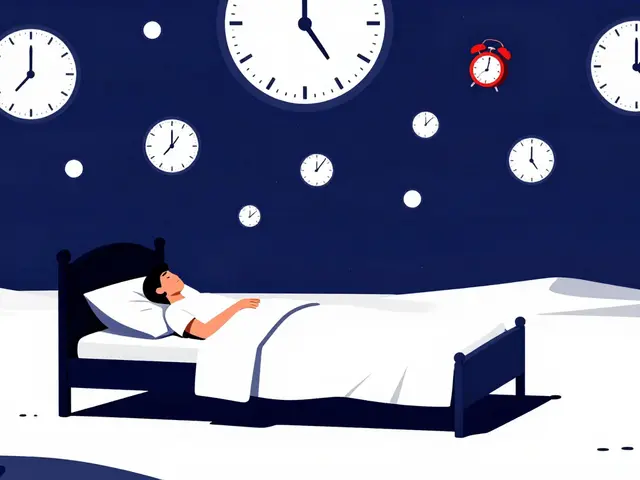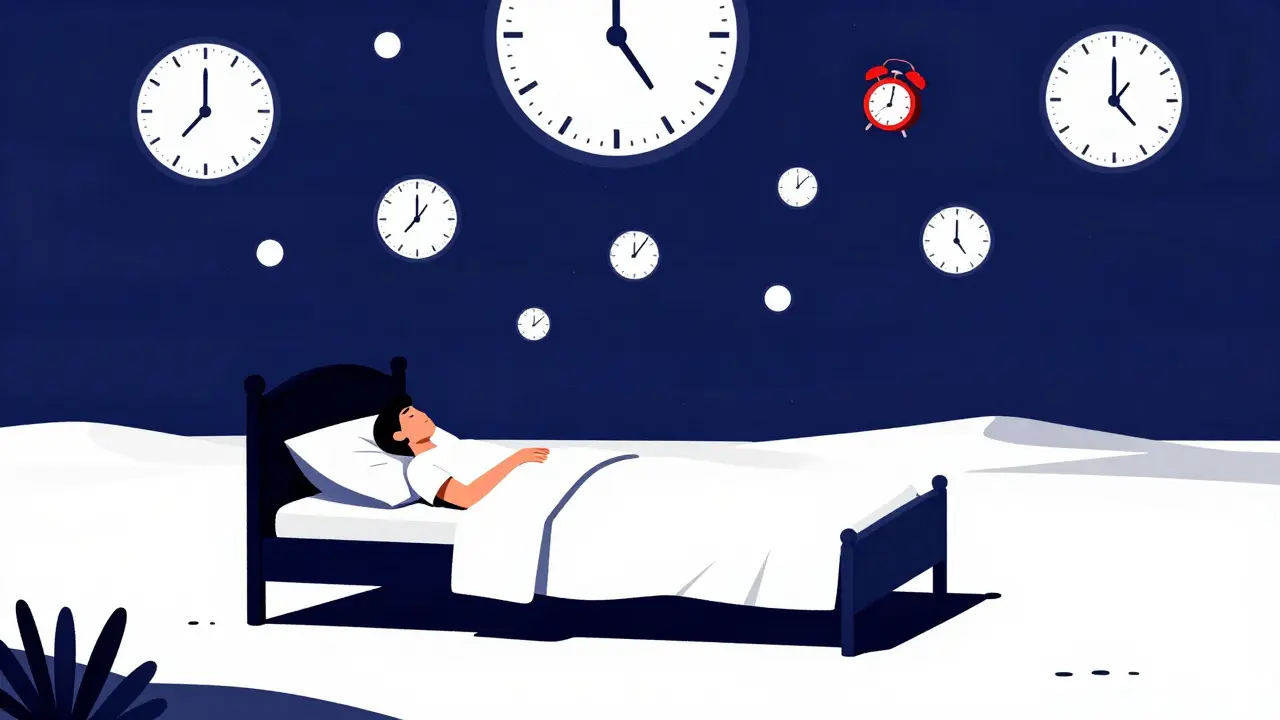
Imagine spending nine hours in bed but only getting six hours of actual sleep. You spend the other three hours tossing, turning, and staring at the ceiling, feeling your anxiety rise as the clock ticks toward morning. This cycle creates a psychological trap: your brain starts associating the bed with wakefulness and frustration rather than rest. Sleep Restriction Therapy is a behavioral treatment technique that systematically limits the amount of time you spend in bed to match the actual amount of sleep you're getting. By creating a controlled state of sleep deprivation, it forces your body to consolidate its sleep and resets your natural sleep-wake patterns.
Why Staying in Bed Longer Actually Keeps You Awake
It sounds counterintuitive, but the most common mistake people with insomnia make is trying to "catch up" on sleep by spending more time in bed. When you spend hours awake in bed, you dilute your sleep drive-the biological pressure that builds up throughout the day and tells your brain it's time to shut down. According to Dr. Paul B. Glovinsky of St. Peter's Sleep Center, this habit leads to "elevated amounts of light Stage N1 sleep" and prolonged wakefulness after you've initially fallen asleep.
Sleep Restriction Therapy (SRT) works by leveraging homeostatic sleep drive. By limiting your window of opportunity for sleep, you increase the biological need for it. This makes your sleep deeper and more consolidated, reducing the time it takes to fall asleep and minimizing those frustrating midnight awakenings. It's a core part of Cognitive Behavioral Therapy for Insomnia or CBT-I, which is widely considered the gold-standard first-line treatment for chronic insomnia .
The Step-by-Step Process of Resetting Your Sleep
SRT isn't about random deprivation; it's a precise clinical protocol. You don't just guess how much sleep you need; you use data to drive the process.
- The Baseline Week: For seven days, keep a detailed sleep diary. Track exactly when you get into bed, when you actually fall asleep, how many times you wake up, and when you finally get out of bed.
- Calculating the Window: Find your average total sleep time. If you spend 8 hours in bed but only sleep for 5, your initial "sleep window" becomes 5 hours. For example, if you must wake up at 6:00 AM, you cannot go to bed until 1:00 AM.
- Strict Adherence: You must stay out of bed until your window starts. No matter how tired you feel, resisting naps is critical. Even a 20-minute nap can bleed off the sleep pressure you're trying to build, undermining the entire therapy.
- Monitoring Efficiency: You calculate your sleep efficiency (Actual Sleep Time ÷ Time in Bed × 100). Once your efficiency reaches 85-90% for three consecutive nights, you can earn more sleep.
- Gradual Expansion: Increase your time in bed by 15 to 30 minutes. If your efficiency remains high, continue adding time until you reach a sustainable 7-8 hour window.
| Feature | Sleep Restriction Therapy (SRT) | Sleep Hygiene Education | Benzodiazepines (Medication) |
|---|---|---|---|
| Primary Mechanism | Increases homeostatic sleep drive | Optimizes environment/habits | Chemical sedation |
| Sleep Efficiency Gain | High (up to 22.7% improvement) | Low to Moderate | Moderate (short-term) |
| Long-term Durability | High (78% sustained at 6 months) | Variable | Low (risk of rebound insomnia) |
| Initial Effort | Very High (challenging first 2 weeks) | Low | Very Low |
Combining SRT with Stimulus Control
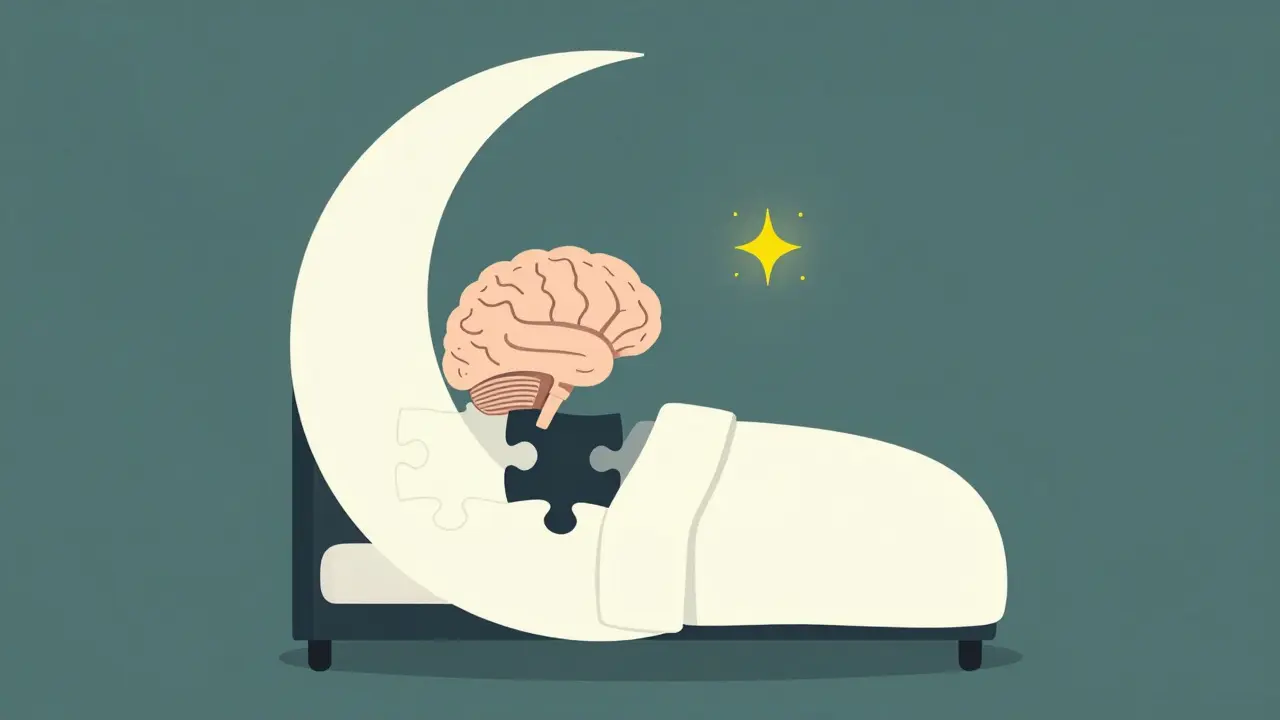
While SRT handles the biological drive, Stimulus Control Therapy addresses the psychological association between the bed and wakefulness provides the mental reset. These two work in tandem. For instance, if you are following your restricted window but still can't fall asleep after 20 minutes, stimulus control tells you to get out of bed and do a boring activity in dim light until you feel sleepy.
When you combine these, you stop the brain from viewing the bed as a place for worrying or scrolling through your phone. You're retraining your brain to believe that Bed = Sleep. This combination is why CBT-I consistently outperforms standalone sleep hygiene tips, such as avoiding caffeine or keeping the room cool, which are helpful but rarely cure chronic insomnia on their own.
The Hard Truth: Managing the "Sleep Debt" Phase
Let's be honest: the first two weeks of SRT can be brutal. Because you are intentionally limiting your sleep, you will experience significant daytime fatigue. In a survey of over 1,200 participants by Sleepstation.org.uk, about 68% reported this initial struggle. This is where most people fail because they "cheat" by napping or going to bed early on weekends.
Safety is a real concern here. Because you are sleep-deprived during the adjustment phase, you should be extremely cautious about driving or operating heavy machinery. If you have a high-stakes job or a long commute, it's best to implement SRT under the guidance of a certified clinician who can adjust the window more gradually.
For those with comorbid anxiety disorders, this phase can be particularly stressful. Dr. Michael Grandner has noted that without cognitive therapy to manage the anxiety around "not getting enough sleep," some patients may feel overwhelmed. This is why pairing SRT with a therapist who can provide cognitive restructuring is vital for a subset of users.
Digital Tools and Modern Implementation
You don't always need a private clinic to get this treatment. The landscape has shifted toward digital health. FDA-cleared apps like Somryst and tools like CBT-i Coach now deliver these protocols remotely. These platforms use algorithms to calculate your sleep windows and track your diaries, offering a more affordable alternative to in-person therapy, which can cost anywhere from $300 to $2,500.
Whether you use an app or a doctor, the key to success is the sleep diary. Relying on memory is a recipe for failure; the human brain is notoriously bad at estimating how long it actually slept. Accurate data ensures you don't restrict your sleep too aggressively or expand the window too quickly, which could trigger a relapse into fragmented sleep.
Is Sleep Restriction Therapy safe for everyone?
Not necessarily. Because it induces temporary sleep deprivation, it can be dangerous for people with certain medical conditions. Specifically, those with bipolar disorder (where sleep loss can trigger mania), severe depression, or sleep apnea should only attempt SRT under strict medical supervision. It's also risky for those in professions requiring high alertness, like commercial truck drivers or surgeons, during the first few weeks.
How long does it take to see results?
Many users report a jump in sleep efficiency within 3 weeks. While the initial phase is difficult, the consolidation of sleep-where you fall asleep faster and stay asleep longer-usually happens relatively quickly. Full treatment typically lasts 6 to 8 weeks, though some people take a few months to fine-tune their ideal sleep window.
Can I nap during the day if I'm exhausted?
Generally, no. Napping is the fastest way to ruin the effectiveness of SRT. Naps discharge the sleep pressure (adenosine buildup) that you need to fall asleep quickly during your restricted window. If you absolutely must nap, some clinicians allow a very brief "power nap" of 20 minutes before 3:00 PM, but most recommend total avoidance for maximum results.
What happens if I "cheat" on the weekends?
Consistency is the bedrock of SRT. Extending your time in bed on Saturday or Sunday confuses your circadian rhythm and lowers your sleep drive for Monday night. Analysis shows that about 41% of unsuccessful SRT attempts are attributed to inconsistent implementation, particularly during weekends.
How is this different from just having a strict bedtime?
A strict bedtime is a part of sleep hygiene, but SRT is about the duration of the window. While a strict bedtime focuses on when you go to bed, SRT focuses on how long you stay in bed. By matching the window to your actual sleep capacity, it eliminates the "awake time" in bed, which is the primary driver of chronic insomnia.