Calcium and Iron Supplements: What You Need to Know Before Taking Them
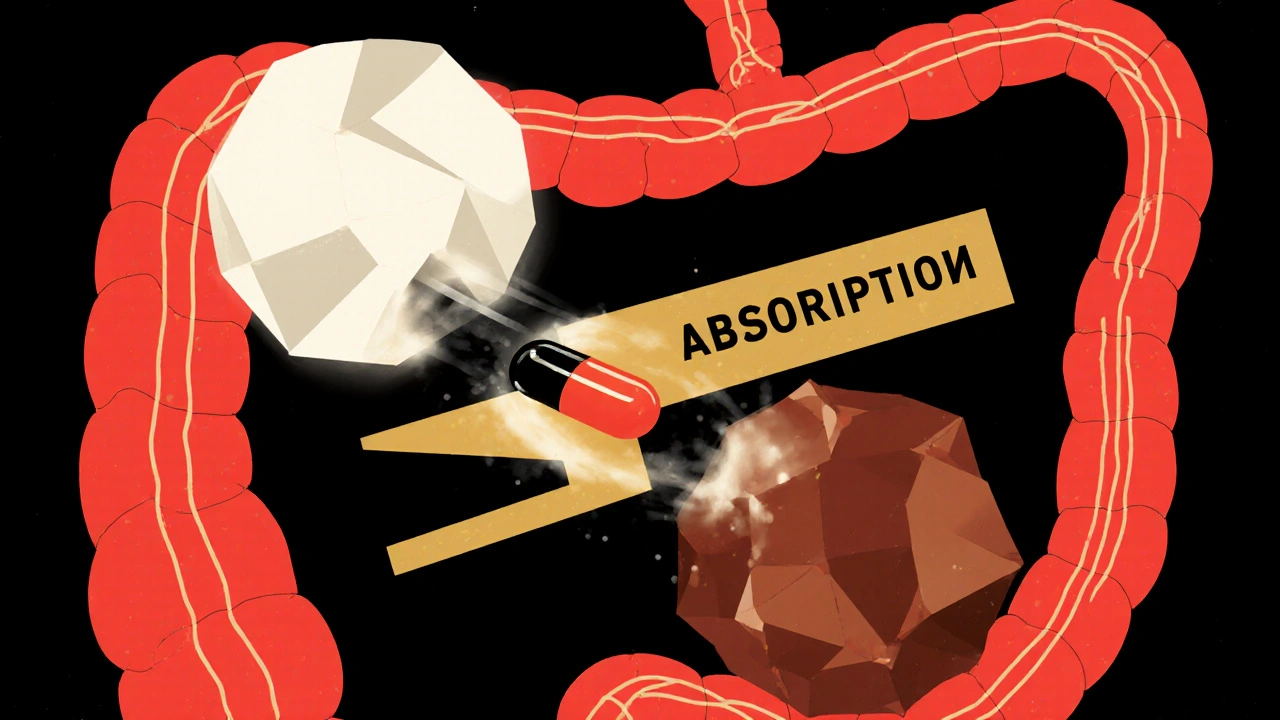
When you take calcium supplements, a mineral essential for bone strength, nerve function, and muscle control. Also known as calcium carbonate or calcium citrate, it's one of the most common supplements people buy without knowing how it interacts with other nutrients. Many also take iron supplements, a vital mineral that helps carry oxygen in your blood and supports energy production. Also known as ferrous sulfate or ferric citrate, it’s often recommended for anemia, heavy periods, or pregnancy. But here’s the catch: taking calcium and iron together can make both less effective. Your body doesn’t absorb them well at the same time — they compete for the same pathways in your gut. This isn’t just theory. Studies show calcium can block up to 60% of iron absorption if taken simultaneously.
That’s why timing matters. If you’re on both, space them out by at least two hours. Take iron with vitamin C — orange juice or a supplement — to boost absorption. Avoid taking calcium with tea, coffee, or high-fiber meals, since those also interfere. And don’t assume more is better. Too much calcium can cause kidney stones or interfere with thyroid and heart meds. Too much iron? It can damage your liver and cause nausea, constipation, or worse. People over 50 or those with certain digestive conditions often need less than they think. The real question isn’t whether you need them — it’s whether you’ve been tested. Blood tests for ferritin and serum calcium tell you more than any supplement label ever could.
You’ll find posts here that dig into how these minerals interact with other meds — like blood pressure drugs, thyroid pills, or antibiotics. Some articles show how your medical history changes your risk for side effects. Others explain why taking supplements without a clear need might do more harm than good. You’ll also see how diet plays a role: spinach has iron, but also oxalates that block it. Dairy gives calcium, but can knock out iron if eaten at the same meal. This isn’t about taking pills blindly. It’s about understanding your body’s real needs — and avoiding the hidden traps in everyday supplement routines.
25
Nov
Calcium and iron supplements can block the absorption of antibiotics, thyroid meds, and other drugs. Learn the exact timing rules to avoid dangerous interactions and make sure your medications actually work.