Calcium Interference: How It Affects Medications and What You Need to Know
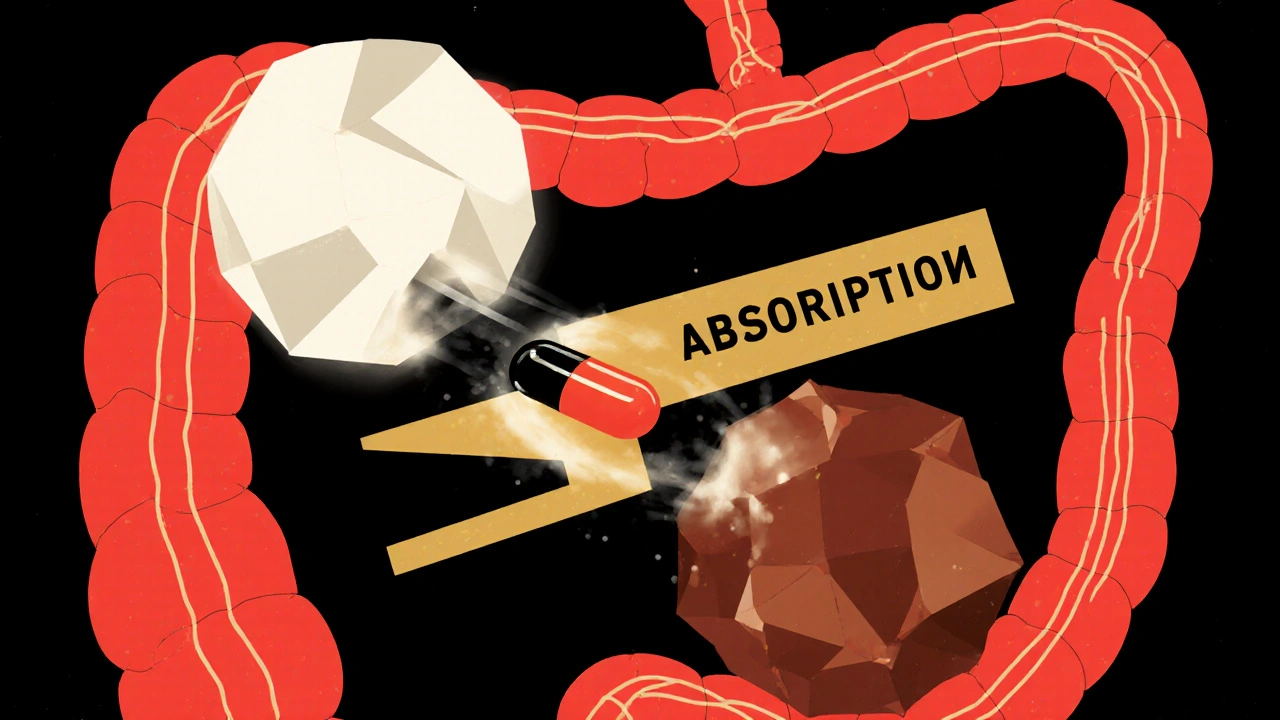
When you take calcium interference, the unwanted reduction in effectiveness of certain medications due to calcium’s chemical interaction in the digestive system. Also known as mineral-drug interactions, it’s not just a footnote in drug manuals—it’s a real risk that can turn your treatment ineffective or even dangerous. Many people think calcium supplements are harmless, especially since they’re sold over the counter and often recommended for bone health. But calcium doesn’t just sit there quietly—it binds to other drugs in your gut, blocking absorption like a chemical wall. This isn’t theory. Studies show calcium can cut the absorption of thyroid meds like levothyroxine by up to 50% if taken at the same time.
That’s why calcium supplements, oral forms of calcium used to support bone density and prevent osteoporosis are one of the top culprits behind medication failures. If you’re on antibiotics like tetracycline or ciprofloxacin, calcium can latch onto them before they even enter your bloodstream, making the drug useless against your infection. Same goes for bisphosphonates for osteoporosis—calcium can block those too. Even blood pressure medications, drugs like calcium channel blockers that regulate heart function and vascular tone can be affected indirectly. While calcium channel blockers themselves work by managing calcium flow in your cells, extra calcium from supplements can throw off the balance, making dosing unpredictable. And if you’re on thyroid meds, iron pills, or even some antifungals, timing matters more than you think. Taking calcium with your morning pill might seem efficient, but it’s often the reason your treatment isn’t working.
You don’t need to stop calcium entirely. You just need to outsmart it. Space out your calcium supplements by at least four hours from your other meds. Take them at bedtime if you’re on thyroid or antibiotic therapy. Read labels—some multivitamins and antacids hide calcium in plain sight. And if you’re unsure, ask your pharmacist. They’ve seen this exact problem before. The posts below dive into real cases where calcium messed with prescriptions, how to spot the signs of interference, and what to do when your meds just don’t seem to be working anymore. You’ll find practical fixes, timing tricks, and warnings about hidden calcium in everyday products. This isn’t about fear—it’s about control. Know how calcium plays with your drugs, and you’ll take charge of your health, not guess at it.
25
Nov
Calcium and iron supplements can block the absorption of antibiotics, thyroid meds, and other drugs. Learn the exact timing rules to avoid dangerous interactions and make sure your medications actually work.