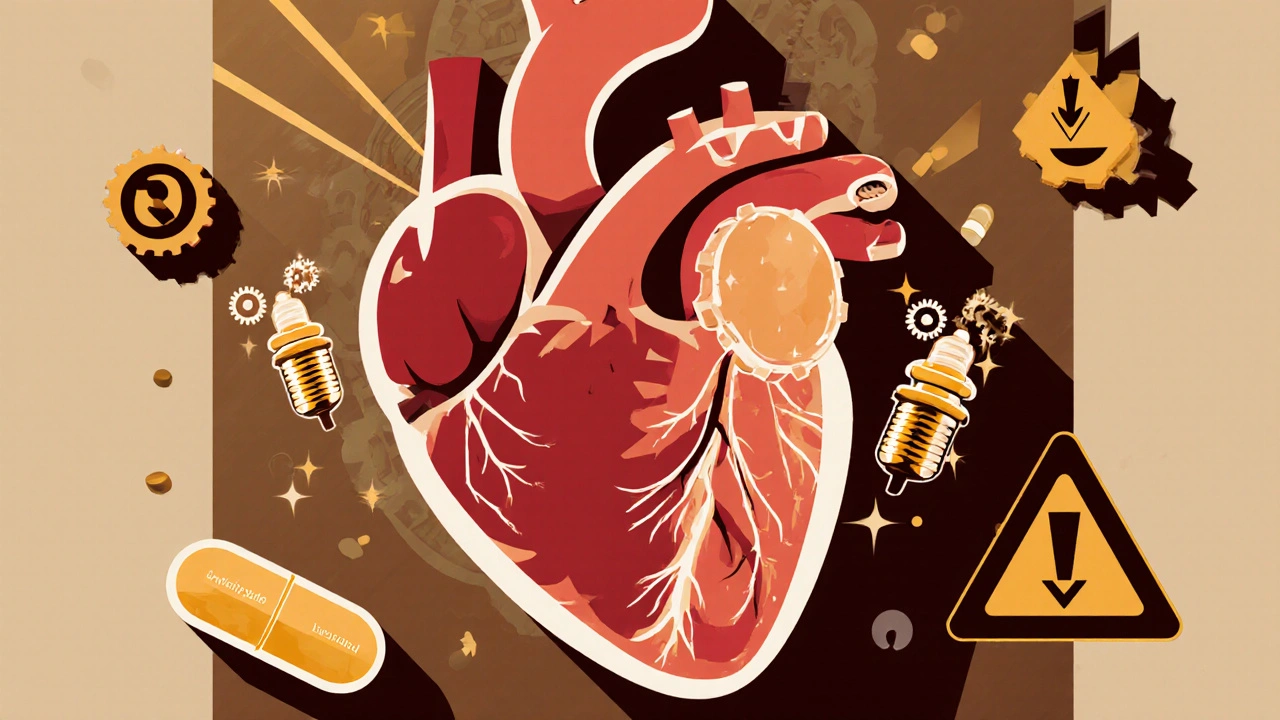
Coenzyme Q10: What It Does, Who Needs It, and How It Connects to Your Health
When your body needs energy—whether you’re climbing stairs, focusing at work, or just getting out of bed—it turns to Coenzyme Q10, a vital compound your cells use to generate energy and protect against oxidative damage. Also known as ubiquinone, it’s found in nearly every cell, especially in organs that work hard like your heart, liver, and kidneys. Unlike vitamins you get from food, your body makes Coenzyme Q10 on its own, but production drops as you age—starting around 30. That’s why many people turn to supplements, especially if they’re on statins, have heart issues, or feel constantly tired.
Coenzyme Q10 doesn’t just help with energy. It acts as a powerful antioxidant, a substance that neutralizes harmful molecules called free radicals that damage cells and speed up aging. This makes it relevant for people managing chronic conditions like high blood pressure, diabetes, or even migraines. Studies show it can help reduce oxidative stress in people with heart failure, and some doctors recommend it alongside conventional treatment. It’s also linked to better muscle function, which matters if you’re active or recovering from illness. And while you can get small amounts from meat, fish, and nuts, most people don’t eat enough to make a real difference—especially as they get older.
It’s not a magic pill, but it’s one of the few supplements with solid science backing its role in basic cellular health. If you’re taking statins to lower cholesterol, you might be draining your Coenzyme Q10 levels—something your doctor should know. If you’re over 50 and feel like you’re running on fumes, your body might be asking for more. And if you’ve ever wondered why some people feel better after taking a supplement that doesn’t seem to do much for others, Coenzyme Q10 could be part of the answer.
Below, you’ll find real-world guides on how Coenzyme Q10 fits into broader health topics—from heart support and medication side effects to nutrition and aging. These aren’t just generic supplement lists. They’re practical, evidence-based insights from people who’ve dealt with the same questions you have: Is this worth taking? Does it interact with my meds? Should I be worried about my levels? Let’s get you the facts you can actually use.