Iron Absorption: How Your Body Uses Iron and What Blocks It
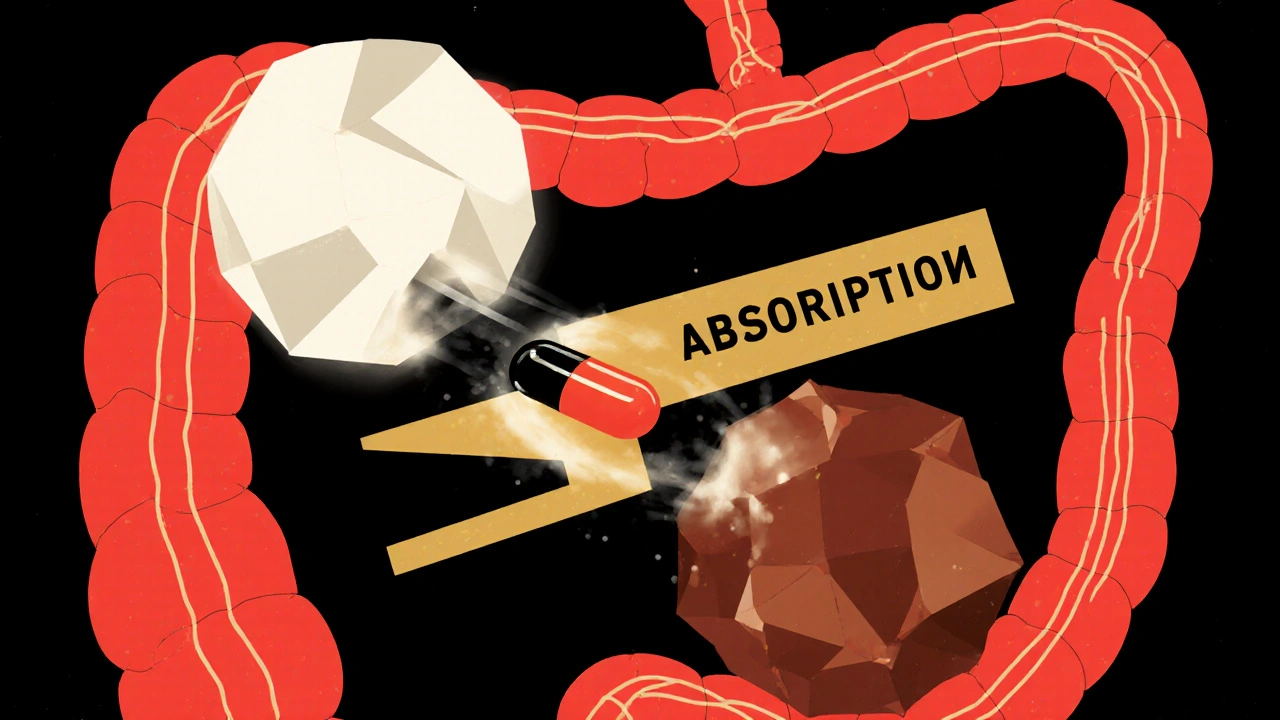
When you think about iron absorption, the process by which your body takes in and uses iron from food or supplements. Also known as dietary iron uptake, it’s not just about how much iron you eat—it’s about how much actually gets into your bloodstream. Many people assume eating spinach or red meat is enough to stay strong and energized. But if your iron absorption is poor, you could still be deficient—even with a diet full of iron-rich foods.
What affects iron absorption? It’s not just your diet. Things like stomach acid levels, gut health, and even what you drink with meals matter. Vitamin C boosts absorption dramatically—eating an orange with your lentils can double how much iron your body takes in. On the flip side, coffee, tea, and calcium-rich foods like milk or antacids can block it. Your body also adjusts based on need: if you’re low on iron, your gut gets better at pulling it in. But if you’re overloaded, it shuts down. That’s why ferritin levels, the storage form of iron, are a better indicator than just checking your blood iron.
And then there’s the supplement side. Not all iron pills are the same. Ferrous sulfate is common and cheap, but it often causes stomach upset. Ferrous bisglycinate is gentler and better absorbed, especially if you have sensitive digestion. But if you’re taking it with zinc, calcium, or certain antibiotics, it won’t work as well. That’s why timing matters—take iron on an empty stomach or with vitamin C, and avoid other minerals for a few hours. People with chronic conditions like Crohn’s, celiac, or after gastric bypass surgery often struggle with absorption, even when they take supplements correctly.
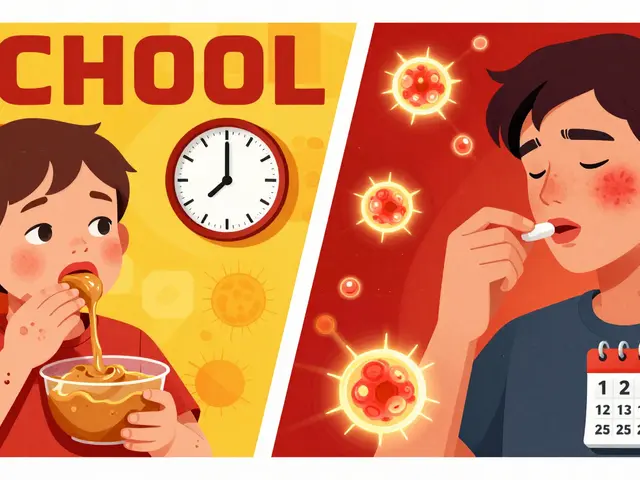
Low iron doesn’t just mean fatigue. It can show up as brittle nails, cold hands, restless legs, or even brain fog. And if you’re a woman of childbearing age, pregnant, or a frequent blood donor, your body’s demand goes up. But here’s the catch: taking more iron won’t fix the problem if your body can’t absorb it. That’s why some people keep taking supplements for months and still feel tired—they’re missing the real issue.
Below, you’ll find real-world guides on how to test your iron levels properly, which foods help or hurt absorption, how supplements interact with other meds, and why some people need IV iron instead of pills. These aren’t theory articles—they’re practical, tested tips from people who’ve been there. Whether you’re trying to fix low iron or just avoid overdoing it, this collection gives you the clear, no-fluff answers you need.