
Creatine Impact Calculator
Input Your Test Data
How Creatine Affects Your Results
Results
Enter your data above to see how creatine affects your kidney function results.
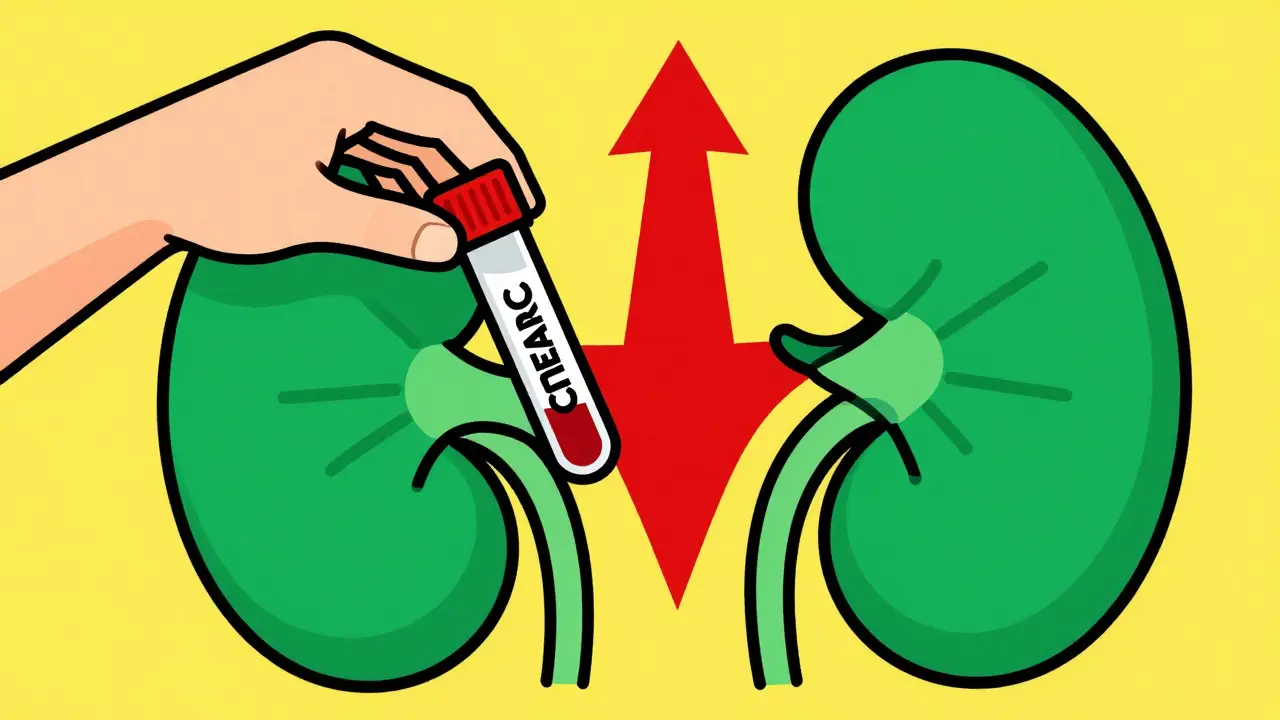
Creatinea natural compound found in muscles and commonly used as a supplement for athletic performance is a popular choice among athletes and fitness enthusiasts. However, its use can complicate kidney health monitoring. When you take creatine, it turns into creatinine-a substance doctors use to check kidney function. This rise in creatinine doesn’t mean your kidneys are damaged. It’s just a side effect of the supplement. Yet many people get wrongly diagnosed with kidney disease because of this. Accurate creatine kidney monitoring is crucial to avoid unnecessary worry and medical steps.
How Creatine Affects Kidney Test Results
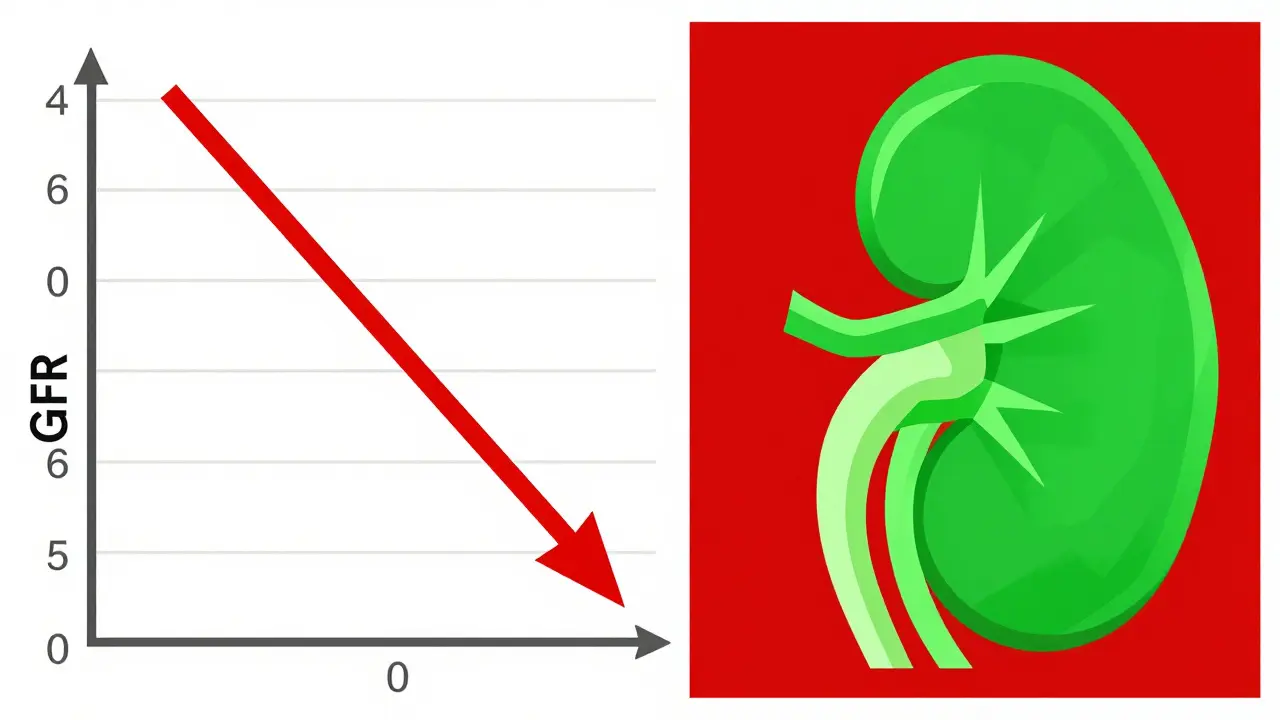
Standard kidney tests measure serum creatinine levels to calculate estimated glomerular filtration rate (eGFR). Creatine supplements increase serum creatinine by 10-30% in healthy people. The National Kidney Foundation confirmed this in their 2023 update. For example, a healthy person with an eGFR of 100 might see it drop to 75 just from taking creatine. This could wrongly suggest stage 2 chronic kidney disease (CKD). But here’s the key: Serum Creatininea waste product from muscle metabolism used in kidney function tests elevation from creatine doesn’t reflect actual kidney damage. Studies like Robinson et al. (2000) found no kidney harm even after long-term use. The body simply processes the extra creatine, raising creatinine levels without affecting kidney function.
Why Standard Kidney Tests Can Be Misleading
Doctors rely on serum creatinine to calculate eGFR. But eGFRa calculation based on serum creatinine to estimate kidney function values from creatine users are artificially low. This happens because labs use creatinine-based formulas that don’t account for supplement use. A 2020 study in the Clinical Journal of the American Society of Nephrology showed that creatine users often get misclassified as having kidney disease. For instance, someone with normal kidneys might be told they have stage 2 CKD (eGFR 60-89) due to elevated creatinine from creatine. The problem worsens when doctors don’t ask about supplement use. American Family Physician reported 67% of primary care physicians lack awareness of this issue, leading to unnecessary referrals to kidney specialists.
Better Testing Methods for Accurate Results
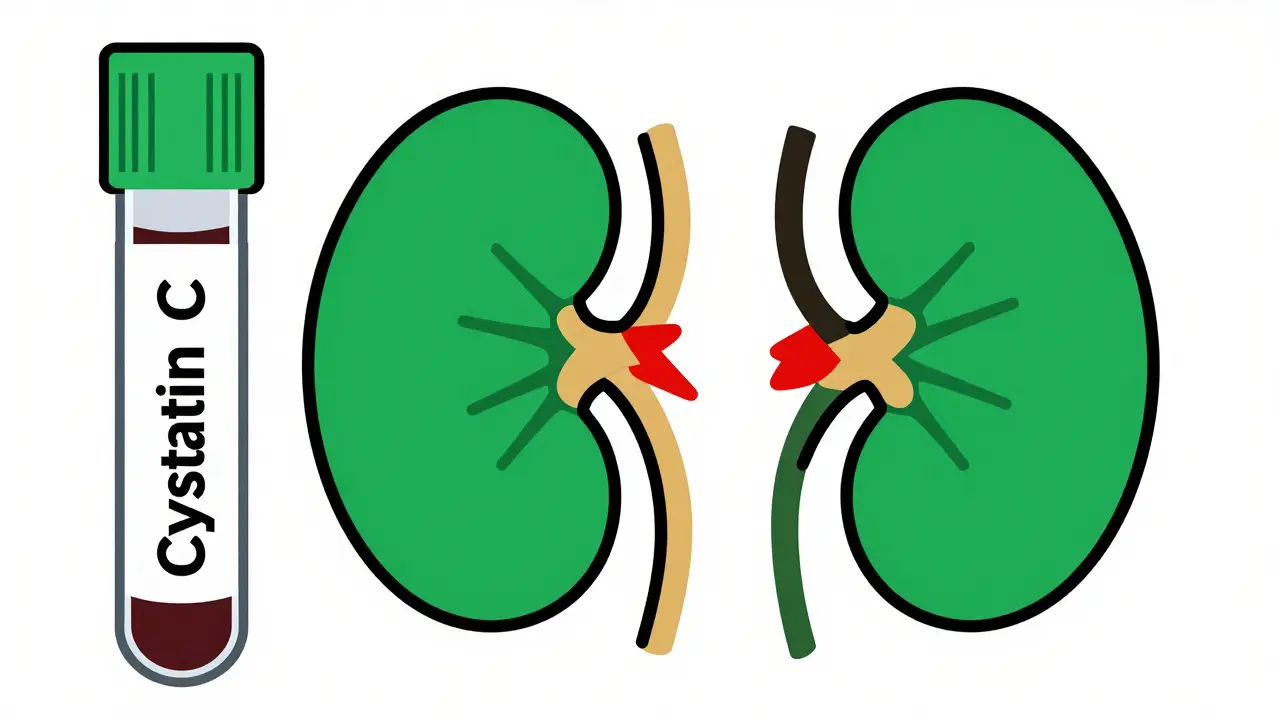
Thankfully, there are more reliable ways to check kidney health when using creatine. Cystatin Ca protein used in kidney function tests unaffected by creatine is a game-changer. Unlike creatinine, cystatin C isn’t influenced by creatine supplements. A cystatin C-based eGFR calculation is 95% accurate for creatine users, according to the 2020 study. This test gives a true picture of kidney function. If cystatin C testing isn’t available, 24-hour urine creatinine clearance is another option. It measures how much creatinine is excreted over a full day, bypassing the blood test confusion. The National Kidney Foundation recommends these methods for anyone taking creatine regularly.
What to Tell Your Doctor About Creatine Use
Always mention you take creatine during medical visits. Many healthcare providers don’t know about the creatine-creatinine link. In a 2023 survey in the Journal of Clinical Nephrology, only 42% of primary care physicians routinely screen for creatine use when evaluating elevated creatinine. If you’re on kidney disease medications like ACE Inhibitorsblood pressure medications that can affect kidney function or NSAIDscommon pain relievers that may harm kidneys, this is extra important. Your doctor needs to know about creatine to avoid misinterpreting test results. For example, if you’re taking NSAIDs for joint pain and creatine for workouts, both could affect kidney tests. But knowing about the supplement helps your doctor separate the effects.
Real-World Misdiagnosis Stories
Reddit’s r/kidneydisease forum has multiple cases of creatine-related misdiagnosis. In January 2023, user "FitMedStudent" shared they were diagnosed with stage 2 CKD (eGFR 78 mL/min/1.73m²) while taking 5g of creatine daily. After stopping creatine, their eGFR returned to 95. Similar stories appear in bodybuilding forums where doctors ordered unnecessary kidney biopsies or referrals due to elevated creatinine. On Examine.com, a 2022 survey of 157 creatine users showed 11% reported temporary creatinine elevation that resolved after stopping the supplement. These cases highlight why clear communication with healthcare providers matters. Without knowing about creatine use, doctors might treat a false positive as real kidney disease.
Safety Considerations for Those with Kidney Disease
If you already have kidney disease, creatine use requires caution. The American College of Sports Medicine states creatine is safe for healthy individuals but advises against it for those with existing kidney issues. Nephrologists at Hospital Naval Almirante Nef in Chile noted in their 2019 review that creatine supplements "should not be used in people with chronic renal disease or using potentially nephrotoxic medications." This is especially true when combining creatine with Nephrotoxic Medicationsdrugs that can damage kidneys, like certain antibiotics or painkillers. A 2011 Clinical Kidney Journal case report described a patient developing acute tubular necrosis while taking 3g/day creatine without pre-existing kidney conditions. Though rare, this shows why professional guidance is essential for high-risk groups.
Practical Steps for Safe Creatine Use
Here’s what you can do to avoid problems:
- Get a baseline kidney test before starting creatine. This includes serum creatinine and cystatin C if possible.
- Ask your doctor about cystatin C-based eGFR for ongoing monitoring. It’s more reliable for creatine users.
- Keep a log of your creatine dosage and when you take it. Share this with your healthcare team.
- If you have kidney disease, avoid creatine unless your nephrologist approves it.
- Stay hydrated. Dehydration can worsen kidney test results, whether from creatine or other factors.
For healthy people, creatine is generally safe. The 2024 Mendelian randomization study in Renal Failure found no causal link between creatine and kidney damage. But accurate monitoring is key to avoiding false alarms. Always work with your doctor to tailor tests to your situation.
| Indicator | From Creatine Supplementation | True Kidney Dysfunction |
|---|---|---|
| Serum Creatinine | Elevated 10-30% | Consistently high |
| eGFR | Artificially low | Consistently low |
| Cystatin C | Normal | Elevated |
| Protein in Urine | No change | Present |
| Blood Urea Nitrogen (BUN) | Stable | Elevated |
Does creatine damage kidneys?
No. Multiple studies, including the 2024 Mendelian randomization study in Renal Failure, show no causal link between creatine and kidney damage. Creatine raises serum creatinine levels, which can mimic kidney problems on tests, but it doesn’t harm actual kidney function in healthy people. Long-term research on over 500 participants confirms this safety profile.
What test should I ask for if I take creatine?
Request a cystatin C-based eGFR test. Unlike creatinine-based tests, cystatin C isn’t affected by creatine supplementation. It provides a more accurate measure of kidney function. If cystatin C testing isn’t available, a 24-hour urine creatinine clearance test is a good alternative. Always inform your doctor you take creatine before any kidney tests.
Should I stop creatine if I have kidney disease?
Yes, unless your nephrologist says otherwise. People with chronic kidney disease should avoid creatine because it can complicate monitoring and may interact with kidney disease medications. For example, combining creatine with NSAIDs or ACE inhibitors increases risks. Always consult a kidney specialist before using supplements if you have existing kidney issues.
Can creatine cause kidney stones?
No direct evidence links creatine to kidney stones. Kidney stones usually form from dehydration, high sodium, or certain medical conditions. However, staying hydrated while taking creatine is important because dehydration can increase stone risk. Drink plenty of water to help your kidneys process supplements safely.
How often should I check kidney function while on creatine?
Get baseline tests before starting creatine. For healthy individuals, annual monitoring with cystatin C-based eGFR is sufficient. If you have risk factors like high blood pressure or diabetes, your doctor might recommend checks every 6 months. Always share your creatine use details with your healthcare provider for accurate interpretation.

Eric Knobelspiesse
February 7, 2026 AT 10:05yo so creatine raises creatinine but its not a kidney problem. its just the supplement metabolizing. but doctors dont know this. they see high creatinine and panic. i had a friend diagnosed with stage 2 ckd because of creatine. after he stopped, his eGFR went back to normal. so always tell your doctor you take creatine. its a simple fix. but most docs dont even ask. they just look at the numbers. dumb.
Jesse Lord
February 9, 2026 AT 08:16hey everyone ive been taking creatine for years and had no idea it could affect kidney tests
its wild how a simple supplement can mess with lab results
doctors usually just look at creatinine levels without asking about supplements
i remember when my cousin was told he had ckd stage 2 because of his egfr
he was freaked out
but then he mentioned he took creatine
the doctor ordered a cystatin c test and it turned out his kidneys were fine
thats why its so important to communicate with your healthcare provider
they need to know all the supplements you take
otherwise you might get unnecessary treatments or stress
ive heard of people getting biopsies because of this
its scary
but if you just tell them about creatine they can adjust the tests
cystatin c is way better for creatine users
its not affected by the supplement
so always ask for that if you take creatine
also staying hydrated helps
dehydration can make things worse
but creatine itself isnt the problem
its the misunderstanding
so please if youre on creatine make sure your doctor knows
its a small thing that can prevent big issues
im so glad this topic is being discussed
its really important for people like me who use supplements
thanks for sharing this info its really helpful
Natasha Bhala
February 10, 2026 AT 16:34this is such important info. so many people worry about creatine hurting their kidneys but its actually safe. the key is knowing how to interpret the tests. always tell your doctor you take it. they need to know. cystatin c is the way to go. it's not affected by creatine. so much stress can be avoided by just communicating. keep up the good work. thanks for sharing this.
Marcus Jackson
February 11, 2026 AT 07:50jesse you're right about cystatin c but let me add something. the 2024 mendelian randomization study in renal failure showed no causal link between creatine and kidney damage. also, the national kidney foundation says serum creatinine elevation from creatine doesn't reflect actual kidney issues. and the 2020 study in clinical journal of am society of nephrology confirms this. so yeah, cystatin c is better. but also, doctors should screen for creatine use. 67% of primary care docs don't know this. that's why it's crucial to inform them. otherwise, misdiagnosis happens. trust me, i've done the research.
Gouris Patnaik
February 12, 2026 AT 17:43indians have been using creatine for ages without issues. but western doctors are clueless. they don't understand how supplements work. it's all about the tests. creatine is safe. but the system is broken. doctors need to learn. this is why we need better education. not just in the west but everywhere. but especially in countries like us where they don't know about traditional supplements. it's embarrassing.
Ashley Hutchins
February 14, 2026 AT 02:18gouris youre wrong. its not about nationality. its about science. creatine affects everyone the same. the problem is doctors not knowing. in the us we have better research. but in india too, doctors need to learn. its not about being aggressive. its about facts. the national kidney foundation says this. you should read up. dont spread misinformation. its dangerous.
Lakisha Sarbah
February 14, 2026 AT 08:50this is really important. i take creatine and was worried about my kidneys. but after reading this, i know what to ask my doctor. cystatin c test. and telling them about creatine. simple steps. no need to panic. just communicate. thanks for the info. its helpful.
Mayank Dobhal
February 15, 2026 AT 01:33Creatine doesn't harm kidneys.