Antibiotics During Pregnancy: Safe Choices and What to Avoid
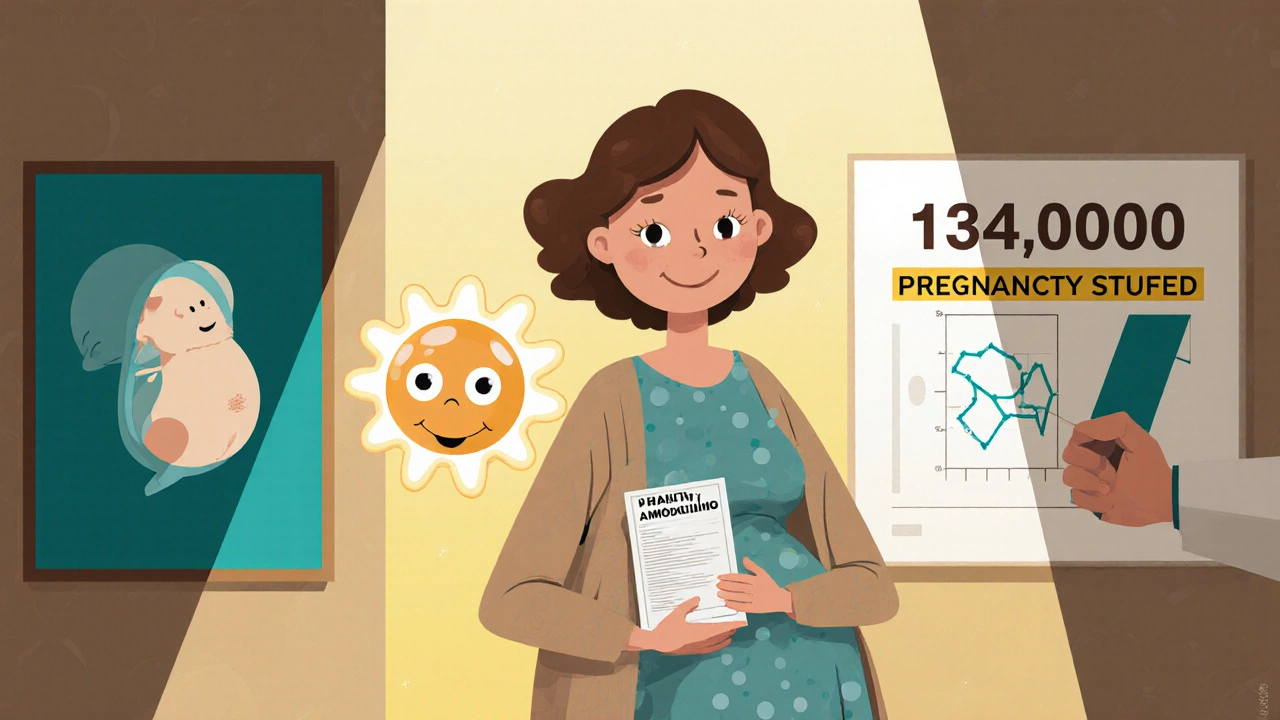
When you’re pregnant, taking any medication feels risky—especially antibiotics during pregnancy, medications used to treat bacterial infections that must be carefully chosen to protect both mother and developing baby. It’s not about avoiding them altogether. Many infections, like urinary tract infections or strep throat, need treatment. The real question is: which ones can you take without putting your baby at risk?
Penicillin, a widely used class of antibiotics that has been safely given to pregnant women for decades, is often the first choice. So is cephalexin, a type of cephalosporin antibiotic commonly prescribed for skin, respiratory, and urinary infections during pregnancy. These aren’t just "probably safe"—they’re backed by decades of real-world use in millions of pregnancies. On the other hand, tetracycline, an antibiotic that can permanently stain developing baby teeth and affect bone growth, is strictly avoided. So is fluoroquinolones, like ciprofloxacin, which may damage fetal cartilage and are not recommended at any stage. It’s not guesswork. Doctors rely on FDA pregnancy categories and large-scale studies tracking outcomes in thousands of women.
Some antibiotics aren’t outright banned but need caution. Sulfonamides, such as Bactrim, are usually safe early on but avoided near delivery because they can increase the risk of jaundice in newborns. Metronidazole, used for bacterial vaginosis and other infections, was once feared for causing birth defects, but modern data shows no increased risk when used in the first trimester. The truth? Most infections are more dangerous than the antibiotics used to treat them. The key is working with your provider to pick the right one at the right time.
You might hear rumors about antibiotics causing autism, ADHD, or gut problems in babies. While some studies look at long-term outcomes, none prove direct cause-and-effect. What we do know is that untreated infections—like kidney infections or chlamydia—can lead to preterm birth, low birth weight, or even stillbirth. That’s why skipping antibiotics isn’t safer. It’s riskier.
What you can do: Always tell your doctor you’re pregnant before taking any pill, even if it’s "just an antibiotic." Don’t use leftover meds from a past illness. Don’t pressure your provider for a prescription if they say it’s not needed. And don’t panic if you took something before you knew you were pregnant—most common antibiotics won’t harm the embryo in the first few weeks. The goal isn’t perfection. It’s informed, careful choices.
Below, you’ll find real-world guides that break down exactly which antibiotics are safest, how to spot red flags in prescriptions, and what to do if you’re unsure. No fluff. Just clear, practical info from trusted sources that help you navigate this confusing part of pregnancy with confidence.