Counterfeit Drugs: How to Spot Fake Medications and Stay Safe
When you buy medicine, you expect it to work. You don’t expect it to be counterfeit drugs, fake versions of real medications that contain the wrong ingredients, no active drug, or even toxic substances. Also known as fake medications, these dangerous products are sold online, in unlicensed pharmacies, or even through shady street vendors. They look identical to the real thing—but they can make you sicker, or worse. The World Health Organization estimates that 1 in 10 medical products in low- and middle-income countries are substandard or falsified. But it’s not just happening abroad. Fake pills with fentanyl, fake antibiotics, and counterfeit cancer drugs are showing up in the U.S. and Europe too.
Counterfeit drugs aren’t just about missing ingredients. Some contain too much of a drug, like fake Viagra with lethal doses of sildenafil. Others have chalk, paint, or rat poison mixed in. A fake version of a blood thinner could cause a stroke. A fake antibiotic might not treat your infection—and could make bacteria stronger. These aren’t hypothetical risks. People have died from counterfeit diabetes meds, cancer treatments, and even painkillers. The pharmaceutical fraud, the illegal production and distribution of fake drugs thrives because it’s profitable and hard to track. Online pharmacies without licenses, social media ads promising "discounted" prescriptions, and packages shipped from unknown countries are red flags.
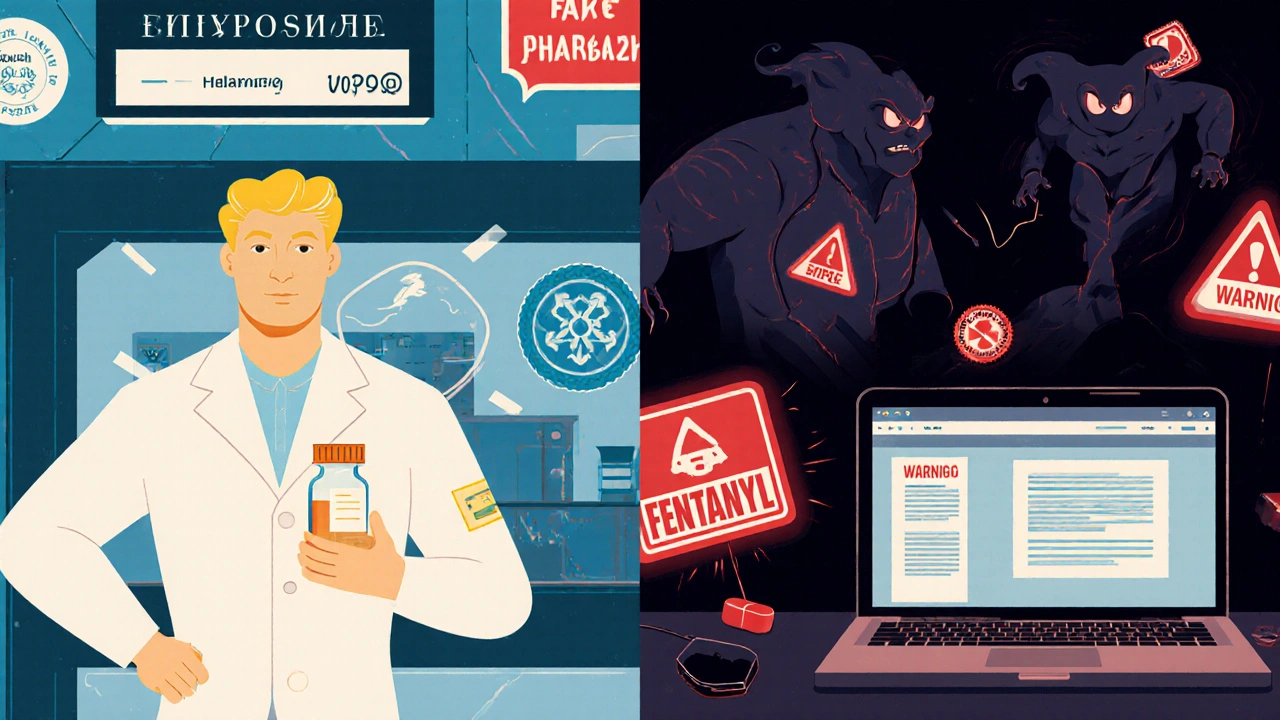
How do you avoid them? Never buy medicine from websites that don’t ask for a prescription. Check if the pharmacy is licensed in your country. Look for the VIPPS seal in the U.S. or similar official certifications elsewhere. If the price is too good to be true, it is. Compare the packaging to a bottle you’ve bought before—spelling errors, blurry logos, or odd colors mean trouble. Talk to your pharmacist. They’ve seen fake pills before and can spot the differences. And if you’re traveling, don’t buy meds abroad unless you’re sure of the source. Even in reputable countries, counterfeit drugs can slip through.
The problem is growing because people are desperate. High drug prices, lack of insurance, and long wait times push some toward risky shortcuts. But the cost isn’t just financial—it’s life. Every fake pill sold is a gamble with your health. The good news? You have power. Knowing what to look for, where to buy, and who to trust keeps you safe. Below, you’ll find real stories, expert advice, and practical checks that help you spot the difference between real medicine and deadly fakes. This isn’t just about saving money. It’s about staying alive.