Hot Weather Medication: What You Need to Know About Drugs in High Temperatures
When the temperature rises, your body doesn’t just sweat—it changes how it handles hot weather medication, drugs whose effectiveness or safety is affected by high temperatures and heat stress. Also known as heat-sensitive medications, these are the pills, patches, and injections that can turn risky when it’s 90°F outside and you’re not drinking enough water. It’s not just about staying cool. Your body’s ability to process drugs shifts in the heat. Blood flow changes, kidney function slows, and dehydration kicks in—all of which alter how fast your body absorbs, breaks down, or clears out medication.
This isn’t theoretical. People on blood pressure meds, drugs used to lower high blood pressure, including diuretics, ACE inhibitors, and calcium channel blockers often feel dizzy or faint in summer because their meds lower blood pressure too much when heat causes vessels to widen. Diuretics, medications that make you pee more to reduce fluid buildup are especially dangerous in heat—they drain your body of water and electrolytes, making heat exhaustion or heat stroke more likely. And if you’re taking antidepressants, drugs used to treat depression and anxiety that can interfere with body temperature regulation, you might not even realize your sweat response is blunted, putting you at risk for overheating.
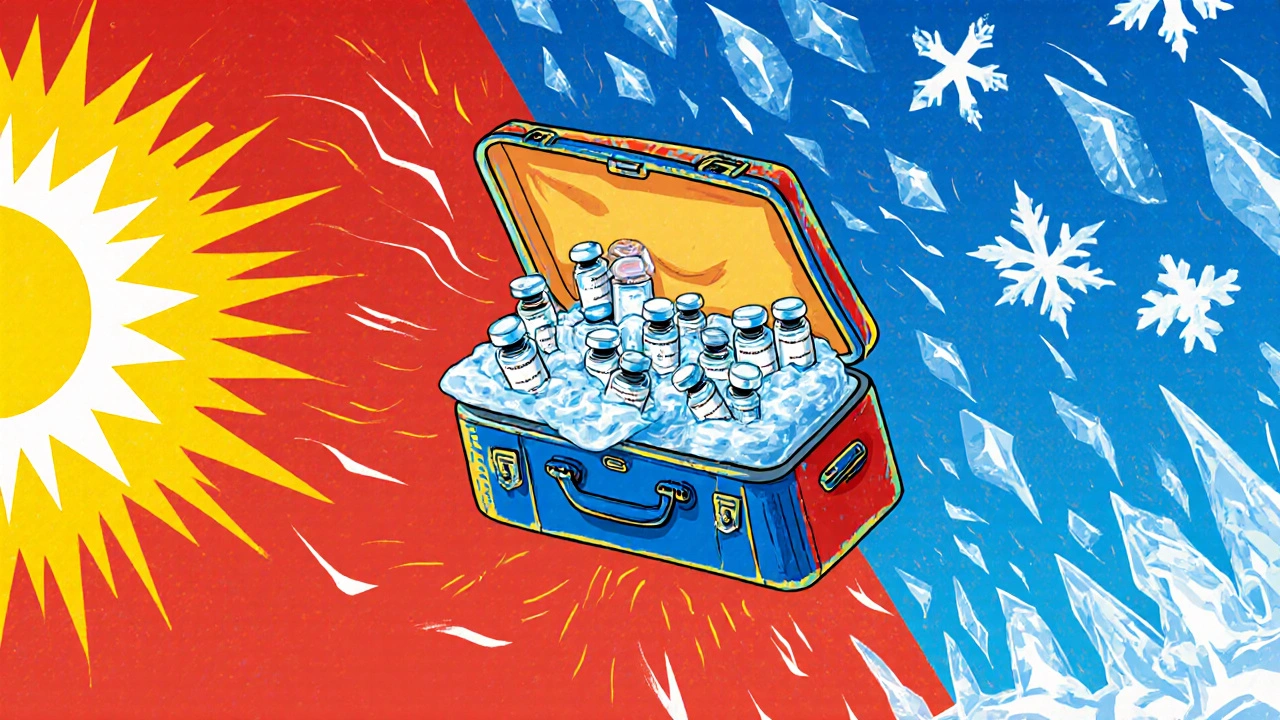
It’s not just prescription drugs. Over-the-counter painkillers like ibuprofen or naproxen can stress your kidneys more in hot weather, especially if you’re dehydrated. Even supplements like Coenzyme Q10, a compound that supports cellular energy and may interact with blood pressure drugs can behave differently when your body is under heat stress. And don’t forget about storage—some meds, like insulin or epinephrine pens, can break down if left in a hot car or bathroom. The label says "store at room temperature" for a reason.
What you can do? Drink water—even if you’re not thirsty. Avoid alcohol and caffeine, which make dehydration worse. Check your meds with your pharmacist during heat waves. Know the signs: confusion, rapid heartbeat, dry skin, no sweating. If you’re on multiple drugs, especially for heart, kidney, or mental health, your risk goes up fast. Don’t assume your usual dose is safe when it’s 100°F outside. Heat doesn’t care if you’re on a schedule—it changes the rules.
Below, you’ll find real-world guides on how specific drugs behave in extreme heat, what to watch for, and how to adjust safely without stopping your treatment. These aren’t general tips—they’re based on actual cases, studies, and pharmacy reports. Whether you’re managing blood pressure, taking antidepressants, or just using daily pain relief, this collection gives you the facts you need to stay healthy when the thermometer climbs.