Verify Pharmacy: How to Confirm a Pharmacy Is Legit and Safe
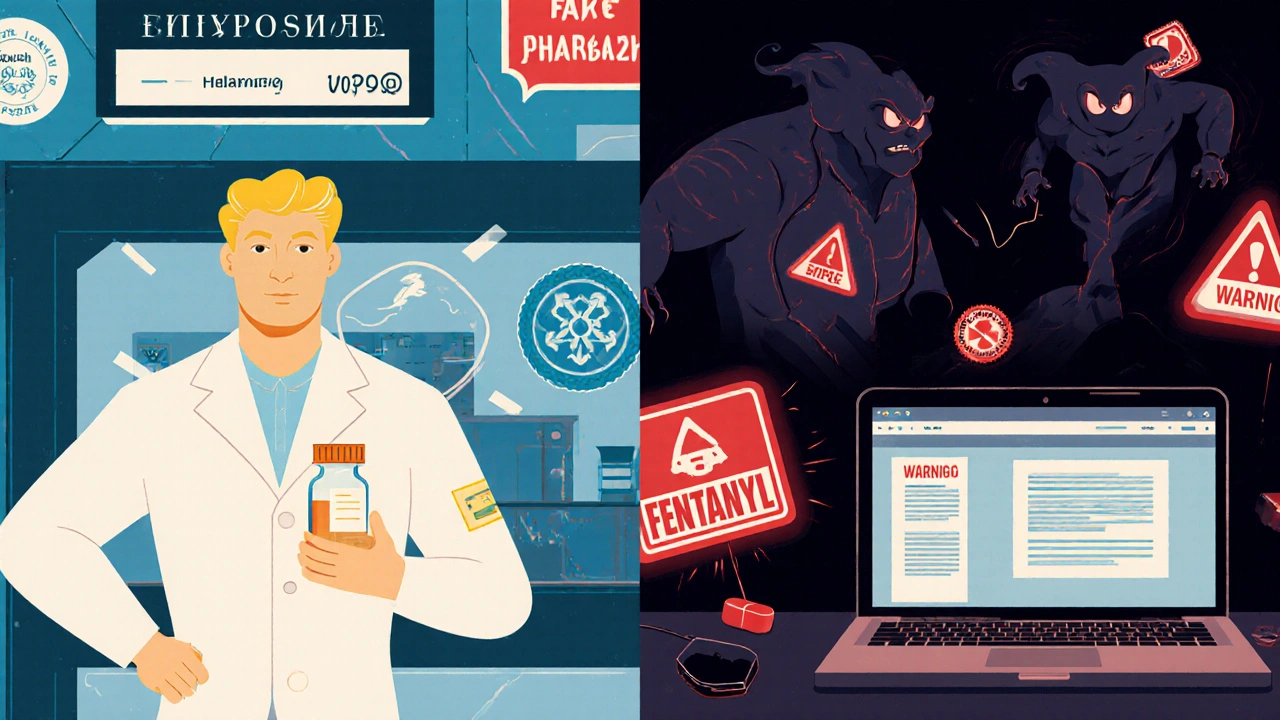
When you need medication, verify pharmacy, a process that confirms a pharmacy is licensed, follows safety rules, and dispenses real drugs. Also known as pharmacy verification, it’s not just a formality—it’s the difference between getting your life-saving drug and a bottle of sugar pills. Every year, thousands of people buy from fake online pharmacies that sell counterfeit antibiotics, fake insulin, or pills laced with fentanyl. These aren’t rare cases—they’re common, and they’re deadly.
How do you know if a pharmacy is real? Start by checking its license. In the U.S., a legitimate pharmacy must be licensed by the state board of pharmacy. You can look up the license number on your state’s official website. In Canada, it’s the provincial college of pharmacists. In the EU, it’s the national regulatory body. If the website doesn’t show this clearly, walk away. No reputable pharmacy hides its credentials. Also, look for the VIPPS seal (Verified Internet Pharmacy Practice Sites), which means the pharmacy has passed strict safety checks by the National Association of Boards of Pharmacy. If you don’t see it, assume the worst.
Another big red flag? No prescription required. If you can buy opioids, insulin, or chemotherapy drugs without a doctor’s note, it’s a scam. Real pharmacies require valid prescriptions. They also have licensed pharmacists on staff you can call with questions. Fake ones use chatbots or no contact at all. And watch out for prices that are too good to be true. A 30-day supply of Lipitor for $5? That’s not a deal—it’s a trap. Legit pharmacies follow pricing rules. They don’t undercut by 90% because they’re giving away medicine—they’re selling fake stuff.
Shipping matters too. A real pharmacy will ship from a licensed facility within your country. If your meds come from a warehouse in India or Nigeria with no tracking, that’s dangerous. Temperature-sensitive drugs like insulin or vaccines can spoil in transit if not handled properly. The posts below show how improper transport can ruin medication—even if it’s real. So if a pharmacy ships from an unknown location, skip it.
You’re not just buying pills. You’re trusting your health to a system. That’s why medication safety, the practice of ensuring drugs are correctly prescribed, dispensed, and taken without harm starts with verifying the source. Barcode scanning, therapeutic drug monitoring, and pill adherence tools mean nothing if the pill itself is fake. The posts here cover how technology helps catch errors in pharmacies, how supplements interfere with real drugs, and how your medical history affects your reaction to medication. But none of that matters if you’re getting the wrong drug to begin with.
When you verify pharmacy, you’re not being paranoid—you’re being smart. You’re protecting yourself from a silent threat that’s harder to detect than a virus. The tools and knowledge are out there. The next few posts give you real examples: how barcode systems stop errors, how to translate drug names abroad, how to spot authorized generics, and why FDA approval costs affect what you pay. All of it ties back to one thing: making sure what you take is safe, real, and works the way it should. Don’t guess. Don’t risk it. Verify first.