
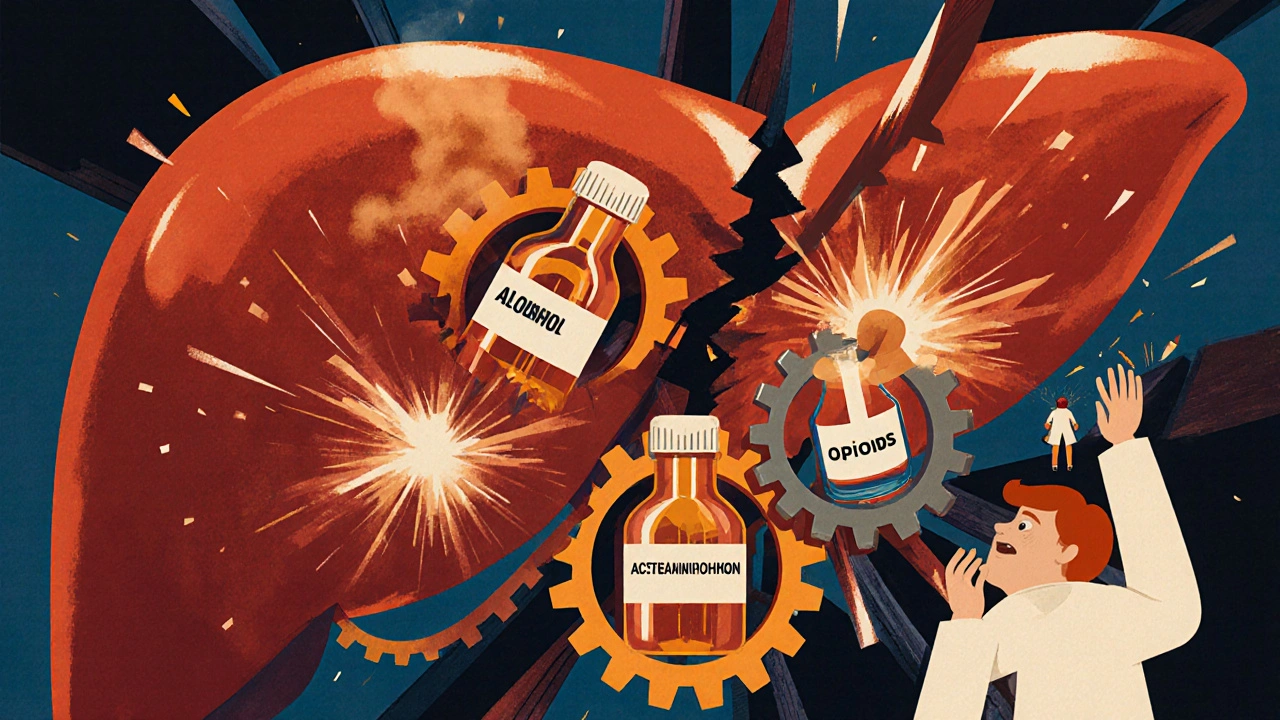
Alcohol and Medications: Dangerous Interactions and Health Effects
Mixing alcohol with medications can cause dangerous side effects, liver damage, or even death. Learn which drugs are risky, who’s most at risk, and how to stay safe.
When you drink alcohol, your body doesn’t just feel relaxed — it’s working overtime to process a toxin. Alcohol side effects, the physical and mental reactions your body has to ethanol consumption. Also known as ethanol toxicity, these effects aren’t just about hangovers — they can damage your liver, mess with your brain, and interfere with nearly every medication you take. Even moderate drinking can cause problems if you’re on blood pressure pills, antidepressants, or painkillers. Many people don’t realize that a single drink can turn a safe drug into a dangerous one.
Liver damage from alcohol, a progressive condition caused by long-term ethanol use is one of the most well-documented risks. Fatty liver, inflammation, and cirrhosis don’t appear overnight — but they can develop quietly over years. And it’s not just your liver. Alcohol affects your pancreas, heart, immune system, and even your sleep cycle. If you’re taking medications for diabetes, epilepsy, or anxiety, alcohol can either boost their effects to dangerous levels or cancel them out entirely. For example, mixing alcohol with warfarin raises bleeding risk. With benzodiazepines, it can slow your breathing to a stop. Even something as simple as ibuprofen becomes riskier when combined with alcohol, increasing stomach bleeding chances.
Alcohol withdrawal, the body’s reaction when someone who drinks regularly suddenly stops is another serious concern. Symptoms range from shakes and nausea to seizures and delirium tremens — which can be fatal. People who drink daily, even just a few drinks, aren’t always addicted, but their bodies still adapt. Stopping cold turkey without medical help can be dangerous. And if you’re on any kind of long-term medication, withdrawal symptoms can be confused with side effects of your drugs, leading to misdiagnosis.
You won’t find this in the bottle’s label, but alcohol interacts with over 200 common medications. From antibiotics to cholesterol drugs, it changes how your body absorbs, breaks down, or responds to them. That’s why knowing your own habits matters as much as knowing your prescriptions. If you take insulin, alcohol can drop your blood sugar dangerously low. If you’re on statins, it raises your chance of muscle damage. Even supplements like melatonin or CoQ10 can behave unpredictably with alcohol in your system.
What you’ll find below are real, practical guides on how alcohol affects your body and meds — not theory, not opinions. These posts show you exactly how to spot dangerous interactions, understand what’s happening inside you, and make smarter choices whether you drink occasionally or regularly. No fluff. Just what you need to stay safe.
Mixing alcohol with medications can cause dangerous side effects, liver damage, or even death. Learn which drugs are risky, who’s most at risk, and how to stay safe.