Barrett's Esophagus: Causes, Risks, and How Medications Affect Your Risk
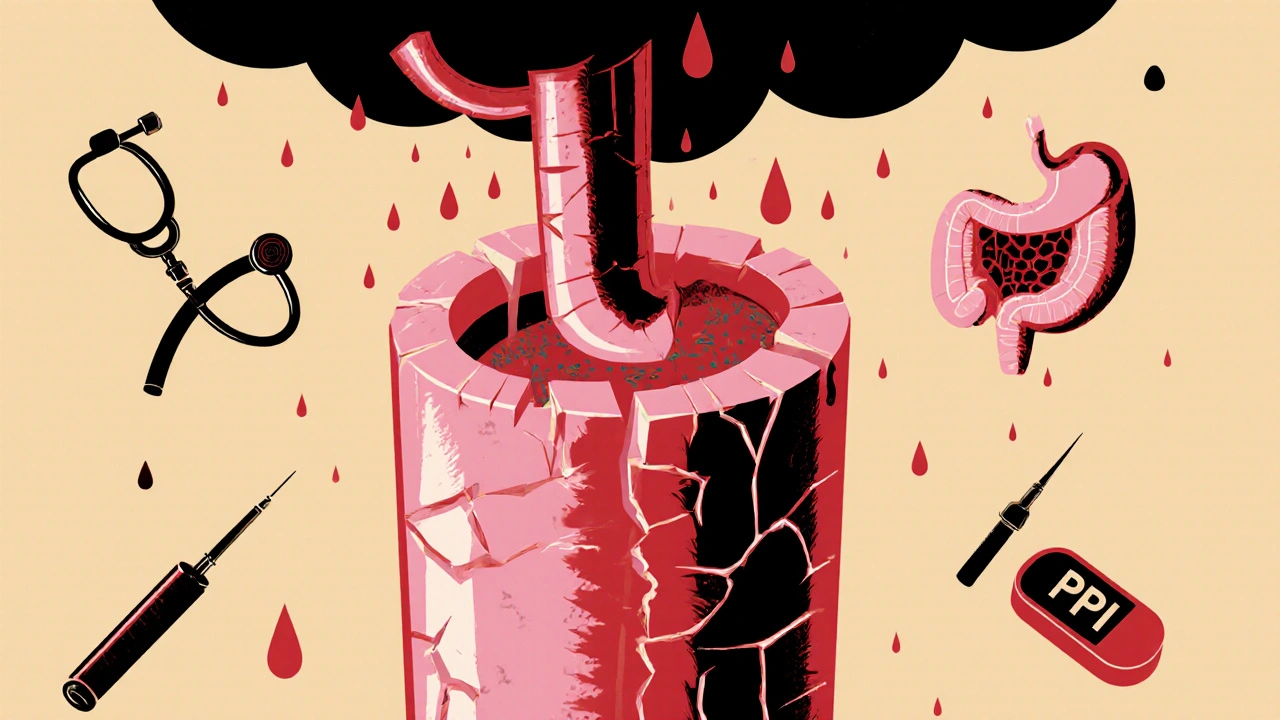
When chronic acid reflux doesn’t get treated, it can change the lining of your esophagus—that’s Barrett's esophagus, a condition where the tissue lining the esophagus changes to resemble intestinal tissue, often due to long-term exposure to stomach acid. It’s not cancer, but it raises your risk of developing esophageal cancer, a rare but aggressive type of cancer that starts in the esophagus and is strongly linked to untreated Barrett’s. About 1 in 200 people with Barrett’s will develop this cancer over time, which is why monitoring matters.
Most people with Barrett’s esophagus have a history of GERD, gastroesophageal reflux disease, a condition where stomach acid flows back into the esophagus regularly, causing heartburn and damage. But not everyone with GERD gets Barrett’s—and not everyone with Barrett’s had obvious symptoms. That’s why it often goes undetected until a routine endoscopy finds it. What makes it worse? Obesity, smoking, and being a man over 50. But here’s something many don’t realize: some medications can either help or hurt. Long-term use of proton pump inhibitors (PPIs) like omeprazole can reduce acid and slow progression, but they don’t reverse the tissue changes. Meanwhile, NSAIDs like ibuprofen might lower cancer risk slightly, but they can also irritate your stomach and cause bleeding if used too long.
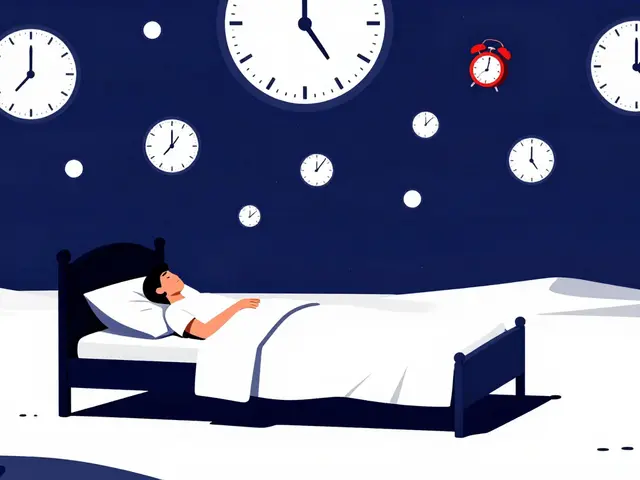
What you take, when you take it, and how you manage your reflux all play a role. For example, calcium and iron supplements can interfere with PPI absorption if taken at the wrong time. Blood thinners like warfarin require extra care if you’re having an endoscopy or biopsy. Even something as simple as how you sleep—elevating your head or avoiding late meals—can reduce nighttime acid exposure. The goal isn’t just to silence heartburn; it’s to stop the slow, silent damage that leads to Barrett’s.
You’ll find real-world advice here on how to manage your medications safely, what tests actually matter, and how to spot warning signs before things get serious. From diet tips that reduce reflux to understanding when biopsies are needed, these posts give you the clear, no-fluff facts you need to protect your esophagus.
12
Nov
Chronic GERD can lead to Barrett’s esophagus, a precancerous condition that increases esophageal cancer risk. Learn who should be screened, how it’s diagnosed, and what treatments can prevent cancer.