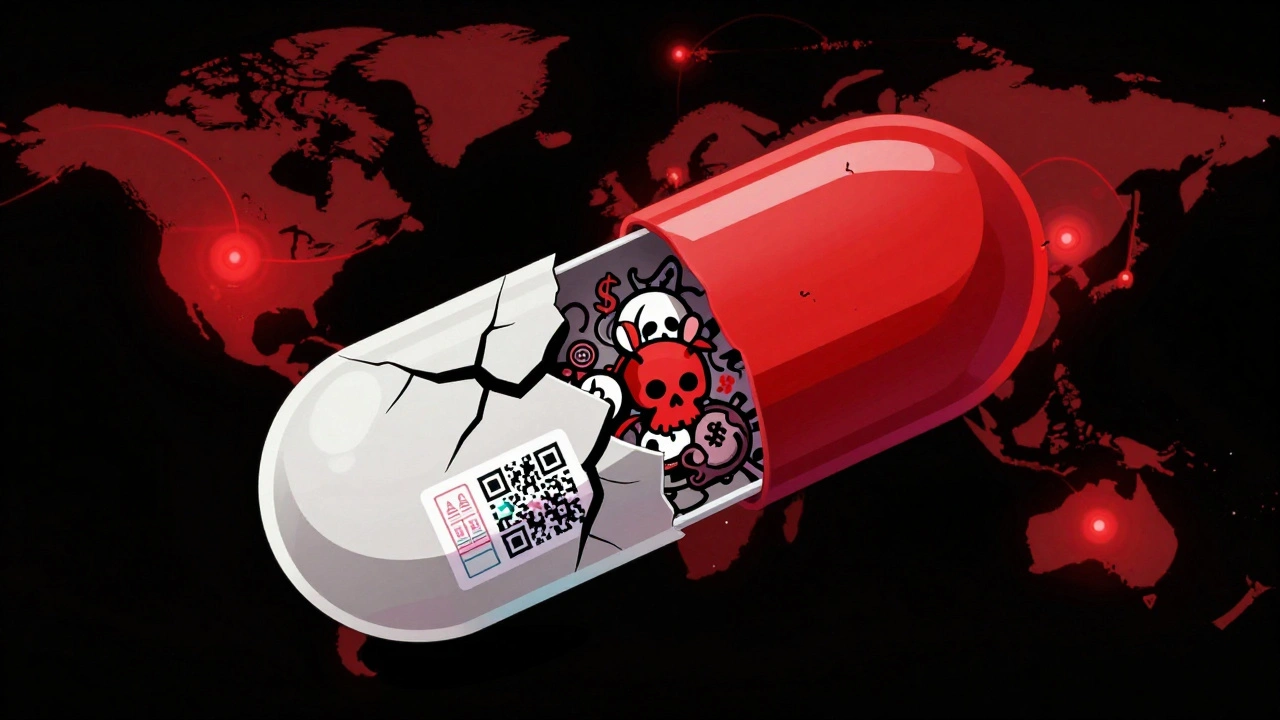
Counterfeit Medications: How to Spot Fake Drugs and Stay Safe
When you buy medicine, you expect it to work—and to be safe. But counterfeit medications, fake drugs designed to look like real prescriptions but often containing harmful or inactive ingredients. Also known as fake drugs, they can be life-threatening, especially when they replace critical treatments for heart disease, diabetes, or infections. These aren’t just shady online scams—they’re flooding legitimate supply chains, and many people don’t realize they’ve been sold a fake until it’s too late.
Counterfeit medications often come from unlicensed online pharmacies that look professional but aren’t regulated. The NABP Verify, a trusted program that checks if online pharmacies meet U.S. safety standards is your best tool to avoid them. Even some brick-and-mortar pharmacies, especially overseas or in high-risk areas, may unknowingly stock counterfeit products. How do you tell the difference? Real medications have consistent color, shape, and imprint codes. Fake ones might have blurry printing, odd smells, or packaging that feels cheap. And if the price seems too good to be true—like a 90-day supply of insulin for $10—it almost certainly is.
It’s not just about the pill itself. Counterfeit antibiotics might have no active ingredient, which lets infections spread unchecked. Fake blood pressure pills can cause strokes. And counterfeit cancer drugs? They might contain toxic chemicals or nothing at all. The licensed pharmacies, pharmacies legally authorized by state boards and verified by agencies like the NABP are your safest bet. Always check your pharmacy’s license number on your state’s board of pharmacy website. If you’re buying online, look for the VIPPS seal—only legitimate pharmacies display it.
What’s worse is that counterfeit drugs often mimic real ones so well that even pharmacists can miss them without proper scanning tools. That’s why barcode scanning and strict inventory controls matter. The same systems that prevent dispensing errors in hospitals also help block fake drugs from reaching you. But you can’t rely on the system alone. Know your meds. Check the bottle. Compare the pill to images on the FDA website. Ask your pharmacist if they can confirm the manufacturer. If something feels off, speak up.
There’s no magic trick to avoiding counterfeit medications—just awareness and action. You don’t need to be a doctor to protect yourself. You just need to know where to buy, how to verify, and when to question what you’re given. Below, you’ll find real stories and practical guides from people who’ve been caught in the crossfire of fake drugs—and how they learned to fight back. These aren’t theoretical warnings. They’re survival tips from real patients, pharmacists, and investigators who’ve seen the damage firsthand. Read them. Share them. Stay safe.