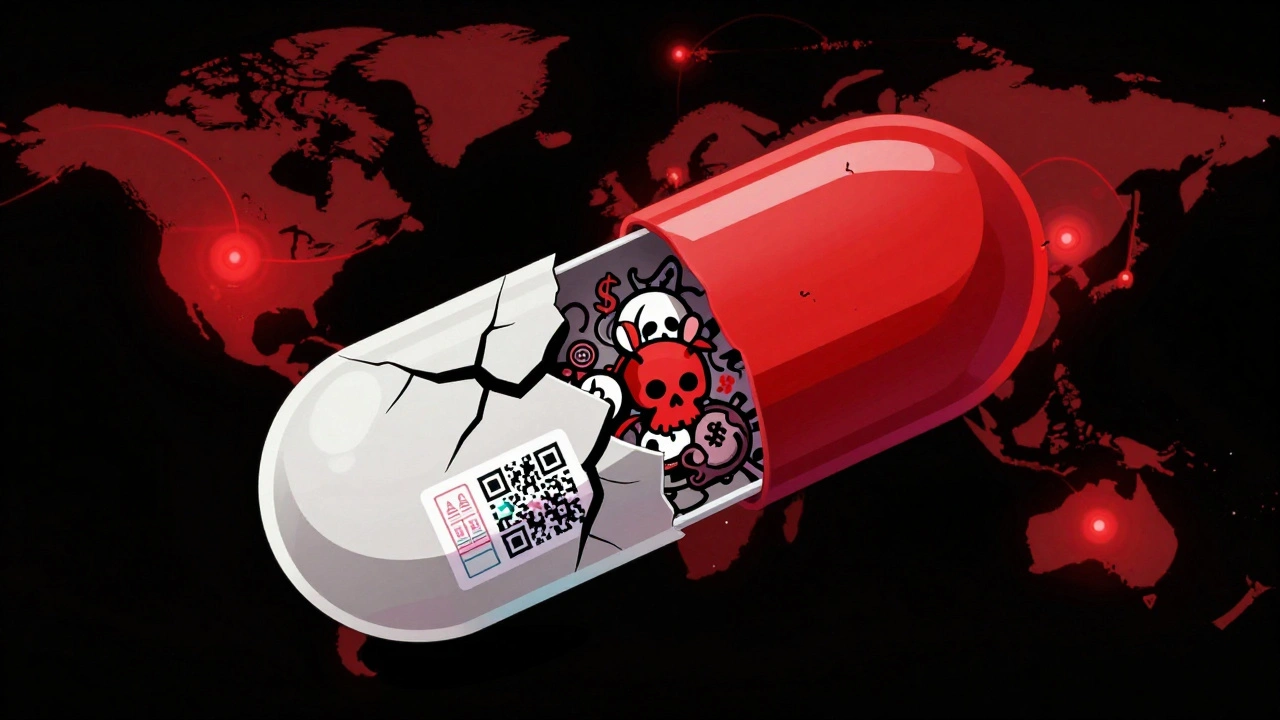
Counterfeit Pills: How to Spot Fake Medications and Stay Safe
When you pick up a prescription, you expect it to be safe. But counterfeit pills, fake medications designed to look like real drugs but often containing harmful or inactive ingredients. Also known as fake medications, these dangerous products can be laced with fentanyl, rat poison, or nothing at all—and they’re easier to find than you think. They show up in online pharmacies, street markets, and even through social media sellers promising cheap painkillers, weight loss pills, or erectile dysfunction drugs. The problem isn’t just that they don’t work—they can kill you.
Most licensed pharmacies, pharmacies legally authorized by state boards and verified by the National Association of Boards of Pharmacy. Also known as legitimate pharmacy, they follow strict rules for sourcing, storing, and dispensing drugs are safe. But fake ones? They look just like the real thing. Some even have fake barcodes, holograms, and packaging that matches the brand. That’s why checking your pharmacy’s credentials matters. The NABP Verify, a free service that lets you confirm if an online pharmacy is legitimate. Also known as NABP Verify, it’s your best tool to avoid being scammed is simple: go to their website, type in the pharmacy’s name or URL, and see if it’s approved. If it’s not, walk away. No deal is worth your life.
Counterfeit pills don’t just appear out of nowhere. They’re often made overseas, shipped through mail, and sold as "generic" versions of popular drugs. You might think you’re saving money, but you’re risking your health. Real drugs go through testing for potency, purity, and safety. Fake ones? They’re made in unregulated labs, sometimes in basements, with no quality control. One pill could be fine. The next could be deadly. And if you’re taking something for heart disease, diabetes, or mental health, a fake version can cause sudden collapse, organ failure, or overdose.
There are ways to protect yourself. Always get your meds from a pharmacy you trust—preferably one you’ve used for years. Don’t buy pills from websites that don’t require a prescription. If the price seems too good to be true, it is. Check the pill’s color, shape, and markings against the official drug info from the FDA. If it looks off, call your pharmacist. They can tell you if it’s real. And if you think you’ve been sold counterfeit pills, report it. Every report helps shut down these operations.
The posts below give you real, practical tools to avoid this danger. You’ll find step-by-step guides on how to verify your pharmacy, spot red flags in online sellers, and understand what makes a drug safe. You’ll also learn how barcode scanning, FDA approvals, and pharmacist checks help stop these fake drugs before they reach you. This isn’t theory—it’s survival. And you deserve to know how to protect yourself.