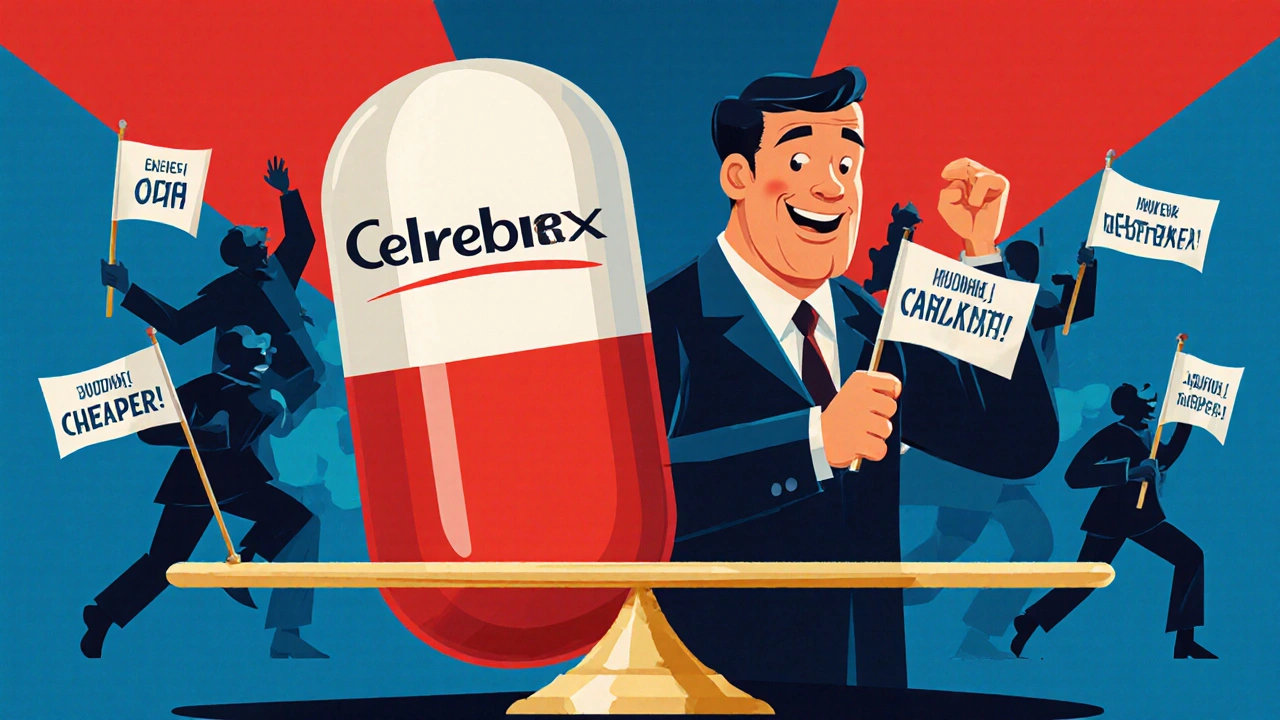
Authorized Generics: What They Are and Why They Matter for Your Health Budget
When you hear authorized generics, brand-name drugs sold under a generic label by the original manufacturer. Also known as brand generics, they’re not knockoffs—they’re the real thing, made in the same factory, with the same ingredients, same packaging, and same quality control as the name-brand version. The only difference? The price. You get the exact same medicine, but often at half the cost or less. This isn’t marketing hype. It’s how the FDA lets drugmakers sell their own product under a generic label after the patent expires, giving consumers a direct, no-nonsense alternative.
Here’s why this matters: most people think generic drugs are made by different companies, but that’s not always true. In fact, the same company that makes authorized generics might also make the brand-name version. Think of it like a car manufacturer selling the same model under two different names—one with a fancy badge, one without. The engine, the seats, the safety features? Identical. You’re just paying less for the lack of advertising and fancy branding. This is especially important for long-term medications like blood pressure pills, antidepressants, or diabetes drugs, where even small savings add up over months and years.
But here’s the catch: authorized generics aren’t always easy to find. Pharmacies don’t always stock them because they don’t get the same profit margins as the brand-name version. And even when they’re available, pharmacists might not mention them unless you ask. That’s why knowing what to look for matters. You’re not asking for a cheaper version—you’re asking for the exact same drug, just without the name on the bottle. Some people even get confused when they see the same pill in two different boxes and think one is fake. It’s not. It’s authorized. It’s legal. And it’s backed by the same FDA inspections as the brand-name drug.
Authorized generics also play a quiet role in keeping drug prices in check. When a brand-name company launches its own generic version, it forces other generic makers to lower their prices too. That ripple effect helps everyone—even people who don’t buy the authorized version. It’s one of the few times the system works the way it’s supposed to: competition drives down cost without sacrificing safety. And with FDA approval costs for generics hitting over $375,000 per application, every legitimate option that cuts through the red tape helps make medicines more accessible.
What you’ll find in the posts below are real-world stories and practical guides about how these drugs fit into your life. From how to verify your pharmacy stocks them, to how they compare to other generics, to how they interact with other meds you’re taking—this isn’t theoretical. These are the things people actually deal with when they’re trying to manage chronic conditions on a budget. You’ll see how authorized generics show up in discussions about drug pricing, insurance coverage, and even how your medical history affects what you can safely take. There’s no fluff. Just facts, tips, and straight talk about how to get the medicine you need without overpaying.