Brain Zaps: What They Are, Why They Happen, and How to Manage Them
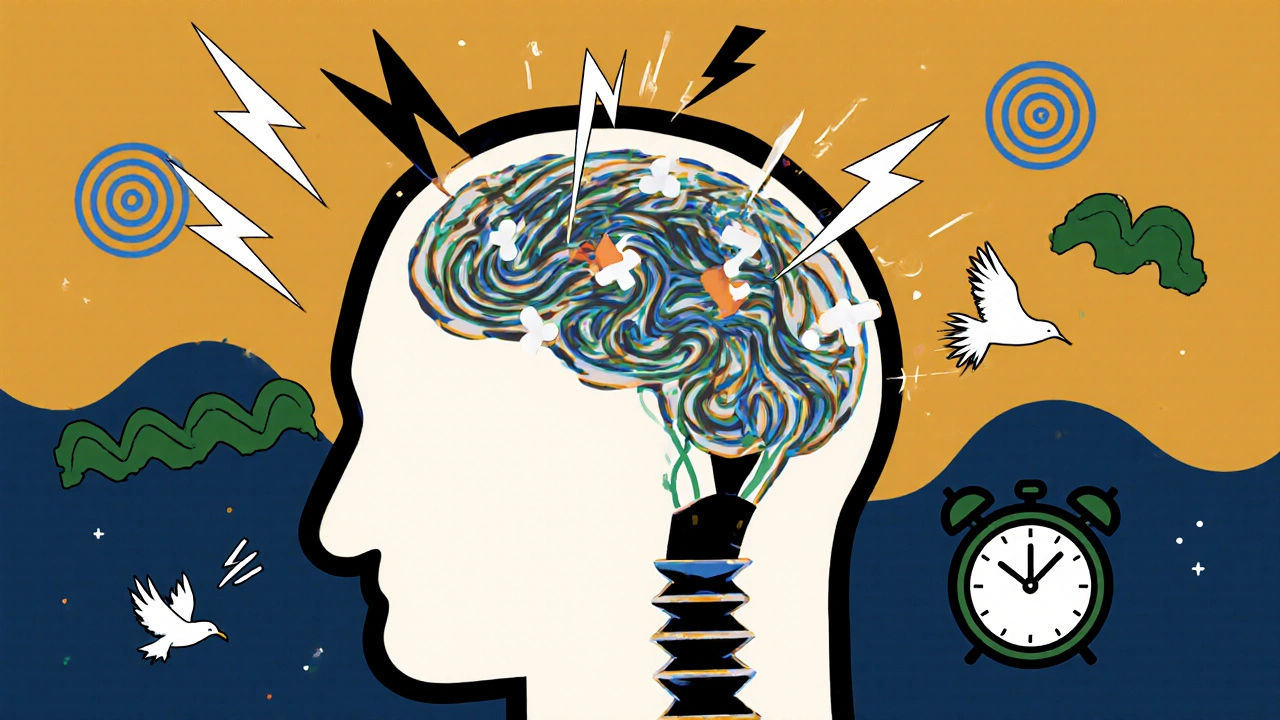
When you stop taking certain medications—especially antidepressants—you might feel a sudden, electric-like jolt in your head. These are called brain zaps, brief, shocking sensations in the head that feel like an electrical pulse or a quick buzz. Also known as electrical shock sensations, they’re not dangerous but can be startling and disruptive, especially when they happen while you’re trying to sleep or focus. They’re most common during antidepressant withdrawal, the set of symptoms that occur when someone reduces or stops taking antidepressants too quickly, but they can also show up with other drugs like SNRIs or even benzodiazepines. This isn’t a myth or imagination—it’s a documented effect tied to how your brain adjusts after long-term exposure to these medications.
Brain zaps happen because your brain’s neurotransmitters—especially serotonin and norepinephrine—get thrown off balance. When you’ve been on an SSRI or SNRI for weeks or months, your brain adapts by changing how many receptors it has and how it releases chemicals. When you suddenly cut the drug, your brain doesn’t have time to readjust. That mismatch causes the weird electrical feeling. It’s not a seizure, not a stroke, and not a sign of brain damage. But it’s your brain’s way of saying: "Hey, something changed fast. Slow down." People who quit cold turkey, skip doses, or switch meds without tapering are far more likely to get them. Studies tracking patients show up to 50% of those stopping SSRIs report brain zaps, especially if they’ve been on the drug for over six months.
They often come with other withdrawal symptoms like dizziness, nausea, trouble sleeping, or mood swings. And while they usually fade within days or weeks, some people deal with them for months. The good news? You can reduce their intensity—or even avoid them—by tapering slowly under a doctor’s care. Cutting your dose by 10% every few weeks gives your brain time to rewire. Switching to a longer-acting version of the same drug (like fluoxetine) can also help smooth the transition. Don’t assume brain zaps mean you need to go back on the medication. Many people get through them without relapse, especially when they’re prepared.
What you’ll find below are real, practical posts from people who’ve been there—covering how to recognize brain zaps, what meds are most likely to cause them, how to taper safely, and what supplements or lifestyle changes might help. You’ll also see how these sensations connect to other drug withdrawal effects, what to do if they’re severe, and how to talk to your doctor about them without sounding alarmist. This isn’t just about stopping pills. It’s about doing it smart, so your brain doesn’t pay the price.