COVID-19 Vaccine for Immunocompromised: What You Need to Know
When you're immunocompromised, a condition where the immune system doesn't respond normally to threats like viruses. Also known as immunodeficient, it includes people with organ transplants, cancer treatments, autoimmune diseases on strong meds, or HIV that isn't well controlled. The COVID-19 vaccine still matters—but it doesn't always work the same way for you as it does for someone with a healthy immune system.
Studies from the CDC and peer-reviewed journals show that people with weakened immune systems often don't build enough antibodies after the first two doses. For example, transplant patients on anti-rejection drugs may have up to 70% lower antibody levels compared to healthy adults. That’s why extra doses aren’t just a suggestion—they’re a medical necessity. The booster shots, additional vaccine doses given after the initial series to strengthen protection have been proven to raise antibody levels in many immunocompromised people, sometimes bringing them close to normal. But timing matters. Getting a booster too soon after a transplant or chemo can mean it doesn’t stick. Doctors often recommend waiting 3 to 6 months after major treatments before adding a booster.
It’s not just about shots. Your body’s immune response, how your body recognizes and fights off pathogens like the virus that causes COVID-19 can be monitored. Some clinics now test for spike protein antibodies after vaccination to see if you’ve responded. If you haven’t, your doctor might prescribe Evusheld (though availability varies) or suggest extra precautions like wearing masks in crowded indoor spaces—even if others around you aren’t. And because your immune system is already working harder, skipping other vaccines like flu or pneumonia shots can put you at even greater risk.
There’s no one-size-fits-all plan. Someone on methotrexate for rheumatoid arthritis needs different advice than someone on rituximab for lymphoma. Even the type of COVID-19 vaccine, a medical product designed to trigger an immune response against the SARS-CoV-2 virus matters. mRNA vaccines like Pfizer and Moderna have shown better results in immunocompromised groups than viral vector ones like Johnson & Johnson. But if you’ve had a bad reaction before, your doctor will help you weigh the risks.
What you’ll find in the posts below isn’t just theory—it’s real, practical advice from people who’ve been through it. You’ll see how pharmacists help time vaccines around treatments, how lab tests track your response, and what to do if you still get sick despite being vaccinated. These aren’t generic tips. They’re based on what’s been proven to work when your immune system can’t fight on its own.
5
Dec
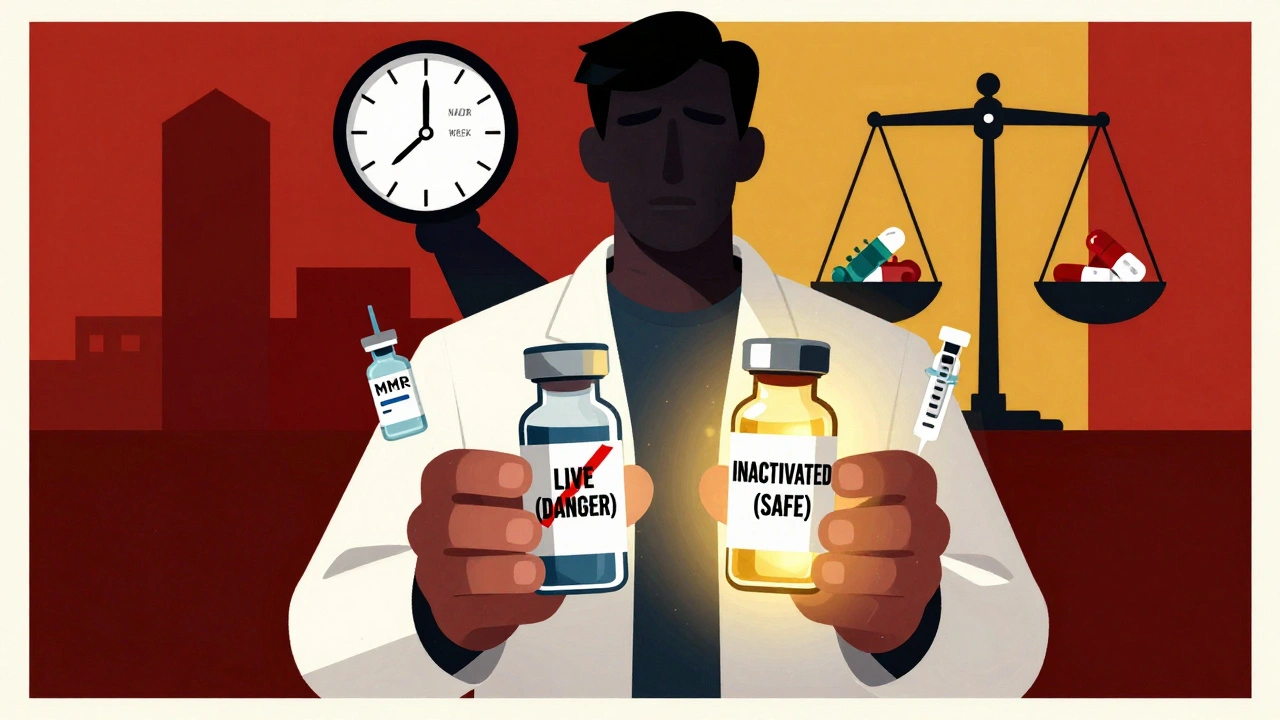
Learn the 2025 guidelines for getting vaccinated while on immunosuppressants. Understand which vaccines are safe, when to get them, and how to avoid dangerous mistakes with live vs inactivated shots.