Esophageal Cancer Risk: What Increases It and How to Reduce It
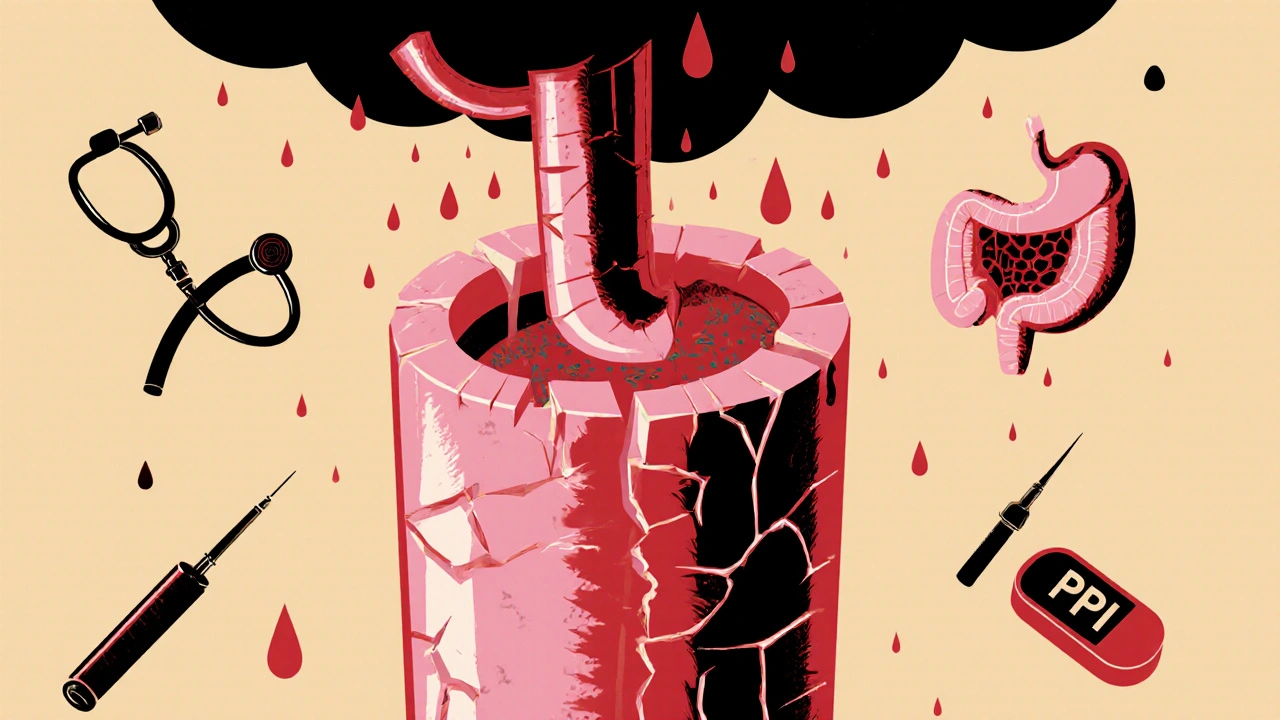
When we talk about esophageal cancer risk, the likelihood of developing cancer in the tube that connects your throat to your stomach. Also known as cancer of the esophagus, it’s not as common as lung or breast cancer—but it’s often caught too late because early signs are easy to ignore. Most cases aren’t random. They’re tied to long-term damage, and the biggest culprits are things most people think are harmless: daily heartburn, smoking, or drinking alcohol regularly.
If you’ve had GERD, gastroesophageal reflux disease, where stomach acid constantly backs up into the esophagus for years, your risk goes up. That’s because the acid burns the lining over time, and in some people, it causes a change called Barrett’s esophagus, a condition where the normal tissue lining the esophagus turns into tissue similar to the intestinal lining. It’s not cancer yet, but it’s a warning sign. About 1 in 20 people with long-term GERD develop Barrett’s, and among those, a small percentage will go on to develop cancer. That’s why tracking your reflux isn’t just about avoiding discomfort—it’s about catching changes before they turn dangerous.
Then there’s smoking. Every cigarette you smoke adds to the damage. Smoking doesn’t just hurt your lungs—it weakens the lower esophageal sphincter, letting acid in more often, and directly poisons the cells lining your esophagus. Alcohol does the same. Heavy drinking, especially when mixed with smoking, multiplies the risk. It’s not about occasional drinks or a weekend smoke. It’s about the slow, steady buildup over decades. Even if you don’t have symptoms now, if you’ve been doing this for 10, 20, or 30 years, your body remembers.
And it’s not just about habits. Your medical history matters too. If you’ve had radiation to your chest or neck, or if you’re overweight, those add layers to your risk profile. Some people carry genes that make them more sensitive to these triggers. But here’s the thing: you don’t need to wait for symptoms like trouble swallowing or unexplained weight loss to act. The most effective prevention happens before cancer shows up.
That’s why the posts on this page focus on what actually connects to real-world outcomes. You’ll find guides on how esophageal cancer risk ties into medication use, how nutrition plays a role, and how conditions like GERD or Barrett’s esophagus are managed over time. You’ll see how lifestyle choices—like what you eat, whether you smoke, or how you handle acid reflux—directly influence your long-term health. There’s no magic pill, but there are clear steps you can take now to lower your risk, especially if you’ve been living with chronic reflux or other warning signs.