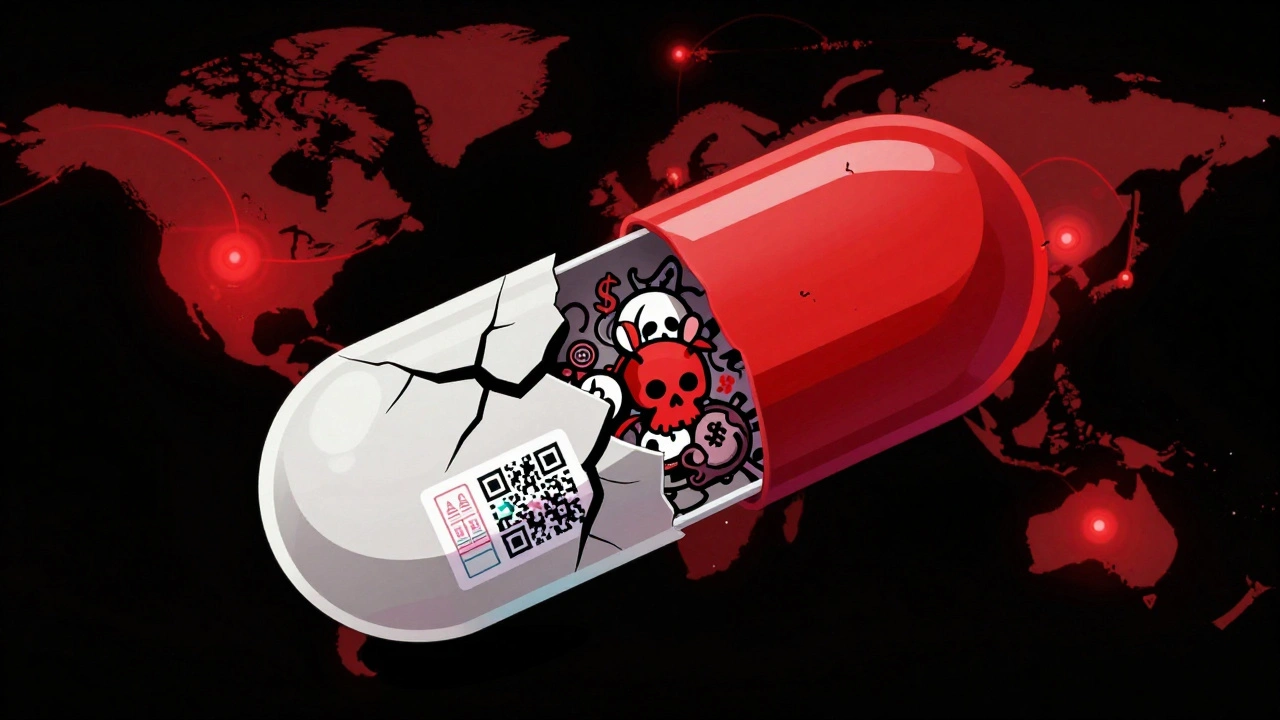
Fake Generic Drugs: How to Spot Dangerous Counterfeits and Stay Safe
When you buy a fake generic drug, a counterfeit version of a medication that mimics the appearance of a real one but lacks proper ingredients or quality control. Also known as counterfeit drugs, it can be deadly—even if it looks just like the bottle from your local pharmacy. These aren’t just poor-quality copies. Some contain chalk, rat poison, or wrong doses of active ingredients. Others have no medicine at all. And they’re everywhere—especially online, where unlicensed sellers hide behind fake websites and fake reviews.
Real generic drugs are safe. The FDA, the U.S. agency that approves medications and enforces safety standards makes sure generics work the same as brand names. But licensed pharmacies, pharmacies legally authorized to dispense medications and subject to state and federal inspections are the only place you can trust. If a deal seems too good to be true—like $5 for a 30-day supply of a $300 drug—it probably is. Check the pharmacy’s license. Look for the VIPPS seal or verify through NABP. If you can’t find their physical address or phone number, walk away.
Counterfeit drugs don’t just fail to work—they cause real harm. People have ended up in the hospital after taking fake antibiotics that didn’t kill their infection, leading to antibiotic resistance. Others took fake blood thinners and suffered strokes. Fake cancer meds? They can make tumors grow faster. And because these drugs aren’t tested, you have no idea what’s really inside. The generic drug safety, the system of regulations, testing, and oversight that ensures safe and effective generic medications exists for a reason: to protect you. Bypassing it isn’t saving money—it’s gambling with your life.
You don’t need to be an expert to spot trouble. Look for misspellings on packaging, unusual pill colors, or bottles that don’t seal right. If your pharmacy won’t answer questions about where they source their drugs, that’s a red flag. Real pharmacists will tell you exactly where their generics come from. And if you’re buying online, never use a site that doesn’t require a prescription. Legit pharmacies never sell controlled meds without one.
The posts below give you the tools to protect yourself. You’ll find real-world guides on how to verify a pharmacy, what to do if you suspect a fake drug, how FDA approval works (and why it matters), and why some generics are safer than others. You’ll also see how barcode scanning, pharmacist checks, and state Medicaid rules help keep dangerous drugs off the shelves. This isn’t theory—it’s survival advice, written by people who’ve seen what happens when people skip the steps.