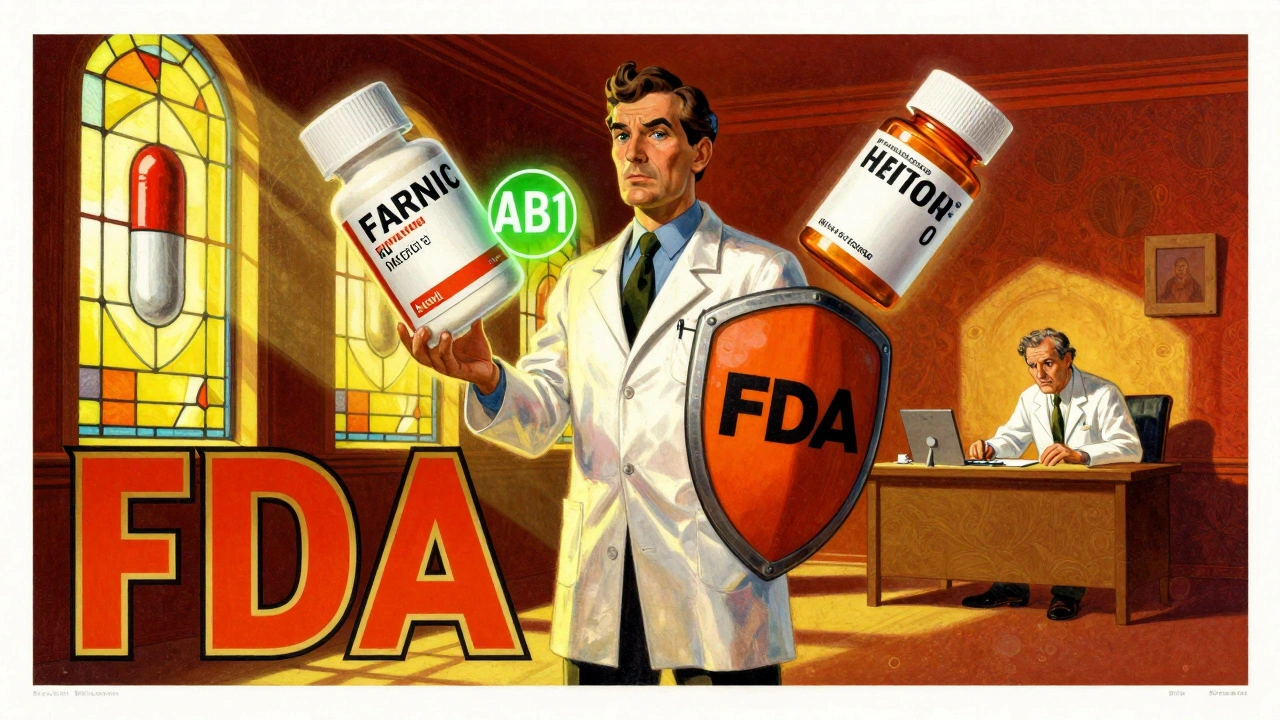
Generic vs Brand Drugs: What Really Matters for Your Health and Wallet
When you pick up a prescription, you might see two options: a familiar brand name or a cheaper generic. But are they really the same? Generic drugs, medications that contain the same active ingredient as brand-name drugs but are sold without a brand name after the patent expires. Also known as non-branded drugs, they are required by the FDA to meet strict standards for bioequivalence, meaning they must work the same way in your body as the original. The truth? For most people, generics are just as safe and effective. But not all generics are created equal—and some switches can carry hidden risks.
Take narrow therapeutic index (NTI) drugs like warfarin or phenytoin. These are the kind where even a tiny change in blood levels can cause serious problems—think blood clots or seizures. Studies show that switching between different generic versions of NTI drugs can lead to unstable results, even if each one passes FDA tests. That’s because small differences in inactive ingredients or how the drug is absorbed can add up. And while the FDA approves generics based on average performance, your body doesn’t care about averages—it reacts to what’s in your pill today.
Then there’s the issue of counterfeit medications. Fake generics flood online pharmacies and unregulated markets, often with no active ingredient at all—or worse, toxic fillers. These aren’t just scams; they’re life-threatening. Even legitimate pharmacies can accidentally distribute substandard generics if supply chains are compromised. That’s why verifying your pharmacy’s license matters more than ever.
On the flip side, authorized generics are brand-name drugs sold under a generic label—identical in every way, down to the packaging. They’re not cheaper because they’re inferior; they’re cheaper because the brand company is competing with itself. And then there’s the money side: generic drugs saved the U.S. healthcare system $445 billion in 2023 alone. That’s billions in savings for patients, insurers, and taxpayers. But savings shouldn’t come at the cost of safety.
So what should you do? Don’t assume all generics are the same. Ask your pharmacist if your generic is an authorized version. If you’re on a critical medication like an anticoagulant or seizure drug, track how you feel after a switch. Keep a log of symptoms, side effects, or changes in how you feel. And never buy pills from websites that don’t require a prescription or look sketchy. Your health isn’t a gamble.
Below, you’ll find real-world breakdowns of what happens when generics are switched, how to spot fake pills, how much money you’re saving (or losing), and what the data says about safety. No fluff. No marketing. Just what you need to know to make smarter choices about your meds.