GERD Complications: What Happens When Acid Reflux Goes Untreated
When GERD, gastroesophageal reflux disease, a chronic condition where stomach acid flows back into the esophagus. Also known as chronic acid reflux, it's more than just heartburn—it's a sign your body is struggling to keep acid where it belongs. Left unchecked, GERD doesn’t just cause discomfort. It slowly damages the lining of your esophagus, turning everyday reflux into something far more dangerous.
One of the most serious outcomes is Barrett's esophagus, a condition where the cells lining the lower esophagus change due to long-term acid exposure. This isn’t just a minor change—it increases your risk of esophageal cancer. Studies show people with Barrett’s are 30 to 125 times more likely to develop this cancer than those without it. Another common complication is esophageal stricture, a narrowing of the esophagus caused by scar tissue from repeated acid burns. This makes swallowing painful or even impossible, forcing people to eat softer foods or avoid meals altogether.
GERD can also lead to chronic cough, hoarseness, and even asthma-like symptoms when acid reaches the throat or lungs. Some people don’t even realize their nighttime cough or sore throat is tied to reflux. Over time, untreated GERD can cause ulcers in the esophagus, bleeding, and anemia from slow, ongoing blood loss. These problems don’t show up overnight—they creep in over years, often dismissed as "just aging" or "stress." But they’re direct results of acid eating away at your body.
What makes GERD complications so tricky is that symptoms can fade even as damage builds. You might stop feeling heartburn after years of medication, but the tissue changes are still happening. That’s why regular monitoring matters—especially if you’ve had reflux for more than five years. The same posts below cover how medications interact with reflux, how diet affects healing, and what lab tests can catch early damage before it becomes irreversible. You’ll find real stories and practical steps from people who’ve been there—not just theory, but what actually works when your body’s been under siege from acid for too long.
12
Nov
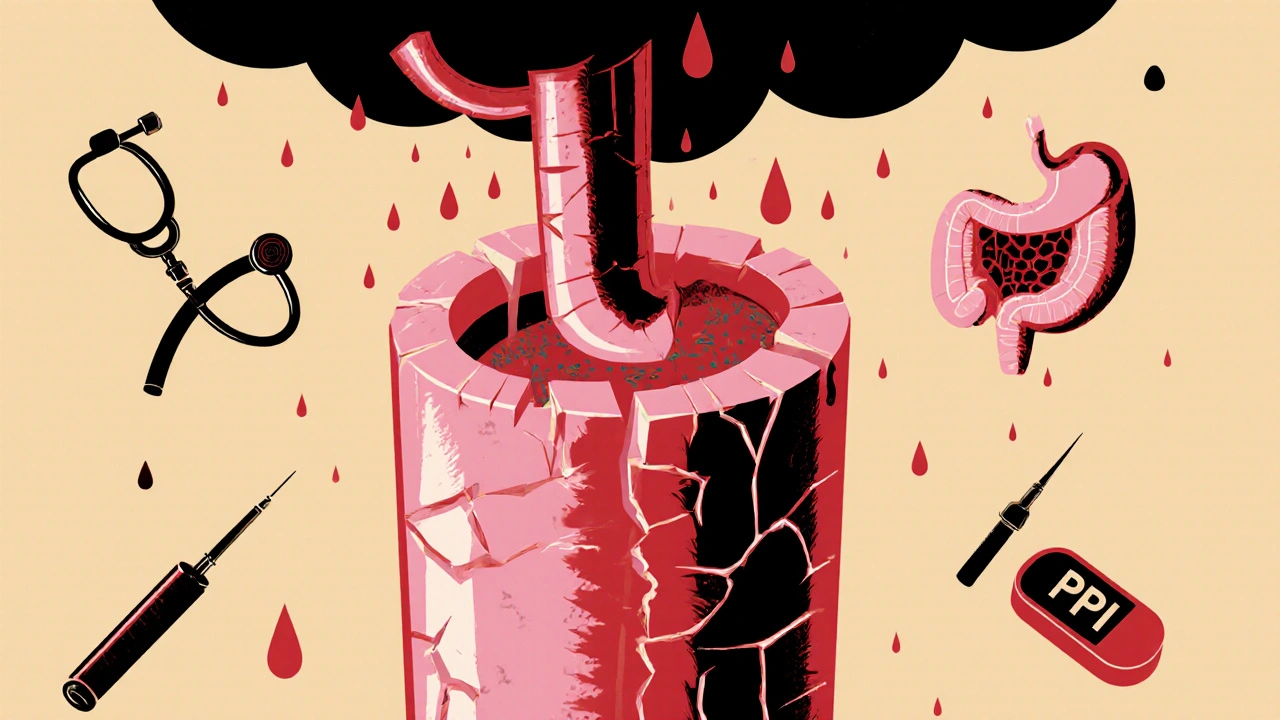
Chronic GERD can lead to Barrett’s esophagus, a precancerous condition that increases esophageal cancer risk. Learn who should be screened, how it’s diagnosed, and what treatments can prevent cancer.