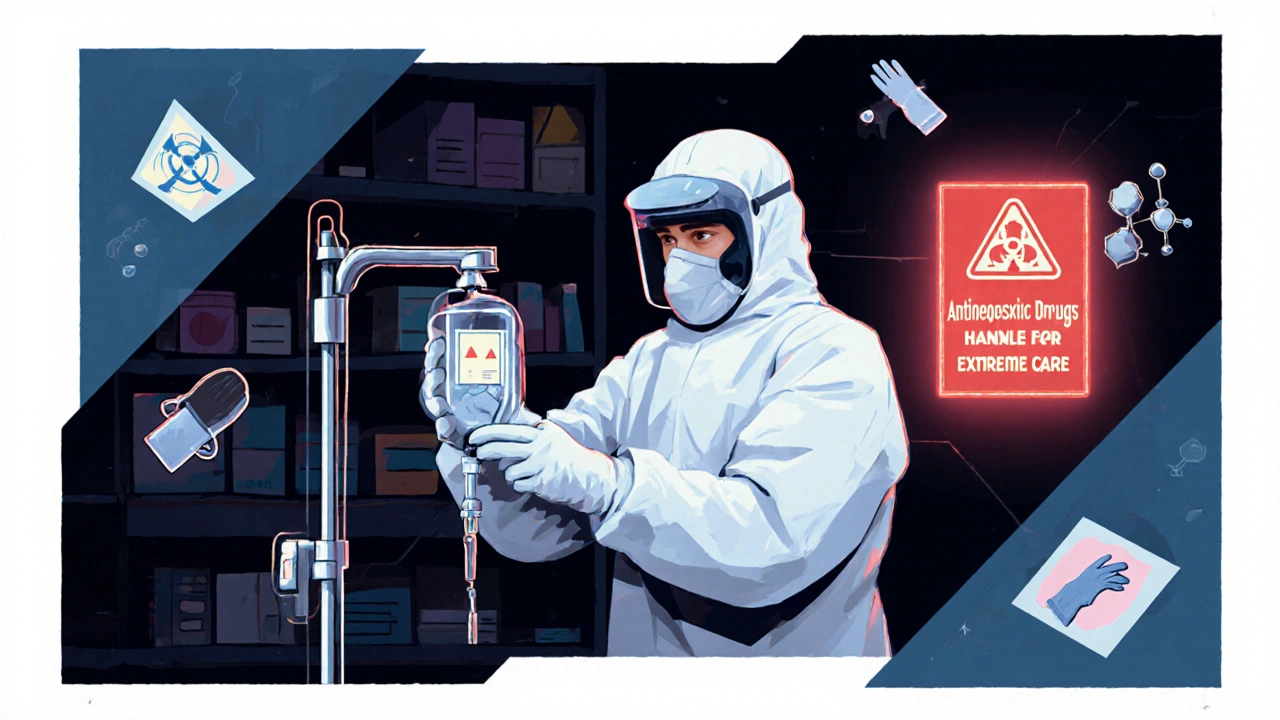
Chemotherapy Verification Steps: How to Ensure Safe and Accurate Treatment
When it comes to chemotherapy verification steps, a series of mandatory checks designed to prevent life-threatening errors in cancer drug administration. Also known as chemotherapy safety protocols, these steps are the last line of defense before a patient receives a drug that can kill healthy cells as easily as cancerous ones. A single mistake—wrong dose, wrong drug, wrong patient—can be fatal. That’s why every hospital and pharmacy handling chemotherapy follows strict, multi-layered verification processes. These aren’t just best practices; they’re legally required in most countries.
These steps don’t just rely on one person checking a clipboard. They involve pharmacists, licensed professionals trained to double-check chemotherapy orders against patient records, lab results, and weight-based calculations, nurses, who verify the drug, dose, route, and timing at the bedside using barcode scanning and independent dual checks, and electronic health systems, that flag mismatches in drug names, dosages, or patient identifiers before the medication leaves the pharmacy. It’s not uncommon for a chemotherapy order to go through three or four separate verifications before it reaches the IV bag. One study from the Journal of Oncology Practice found that hospitals using full verification protocols reduced chemotherapy errors by over 80% compared to those relying on manual checks alone.
These protocols exist because chemotherapy isn’t like taking an antibiotic or a painkiller. The margin between a therapeutic dose and a toxic one is razor-thin. A patient weighing 130 pounds might need a completely different dose than someone weighing 200 pounds—even if they have the same cancer type. Some drugs require adjustments based on kidney or liver function. Others interact dangerously with common supplements or other medications. That’s why verification isn’t just about matching a name on a label to a name on a chart. It’s about confirming the right drug, the right patient, the right dose, the right route, the right time, and the right reason—all at once.
You might think this is all handled behind the scenes, but you have a role too. If you’re receiving chemotherapy, ask: Did they check your weight today? Did they compare your blood work to the dose? Did two people verify the bag before it was hung? Don’t assume it’s automatic. The most effective safety systems still rely on human vigilance. If something feels off—like a different color bag than last time, or a nurse hesitating before giving the drug—speak up. Your life depends on it.
Below, you’ll find real-world examples of how verification works in practice, what goes wrong when it fails, and how technology like barcode scanning and automated alerts are making chemotherapy safer than ever before. These aren’t theoretical guidelines—they’re the steps that keep people alive every single day.