Sleep Apnea Treatment: Effective Options, Causes, and What Really Works
When you or a loved one stops breathing briefly during sleep, it’s not just snoring—it’s sleep apnea, a serious sleep disorder where breathing repeatedly stops and starts during sleep. Also known as obstructive sleep apnea, it’s not rare, and it’s not harmless. Left untreated, it raises your risk of high blood pressure, heart disease, and even stroke. If you wake up gasping, feel exhausted even after eight hours in bed, or your partner says you stop breathing at night, this isn’t normal aging—it’s a signal your body needs help.
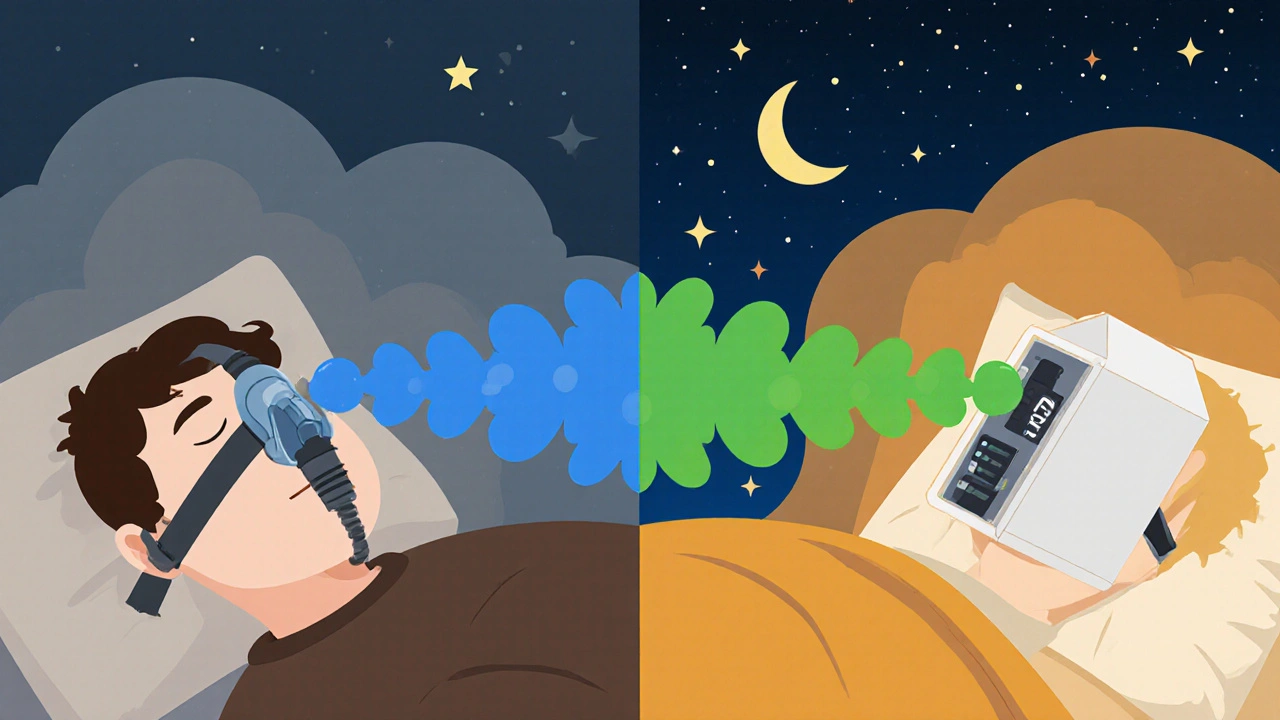
CPAP therapy, the most common and proven treatment for moderate to severe sleep apnea works by gently pushing air through a mask to keep your airway open. It’s not glamorous, but it’s the gold standard. Many people give up on it early because of discomfort, but modern masks are lighter, quieter, and more customizable than ever. If CPAP doesn’t stick, there are alternatives: oral appliances that reposition your jaw, positional therapy to avoid sleeping on your back, or even weight loss—because excess weight around the neck is one of the biggest triggers.
But here’s what most guides miss: obstructive sleep apnea, the most common form of sleep apnea caused by relaxed throat muscles doesn’t always come from being overweight. It can be tied to your jaw structure, nasal congestion, or even alcohol use before bed. That’s why one-size-fits-all advice fails. Some people need surgery to remove excess tissue; others just need to stop sleeping on their back. And if you’ve got sleep disorders, a broad category including insomnia, restless legs, and narcolepsy alongside apnea, treating them together makes all the difference.
What you’ll find in these posts isn’t theory—it’s real experience. From how chest congestion can worsen breathing at night to why some people see better results with lifestyle tweaks than machines, these articles cut through the noise. You’ll see how medication interactions, diet, and even nasal strips play a role. No fluff. No marketing. Just what works, what doesn’t, and what your doctor might not tell you because they’re too busy to dig into the details.