Generic Drugs: What They Are, Why They Save Money, and How to Use Them Safely
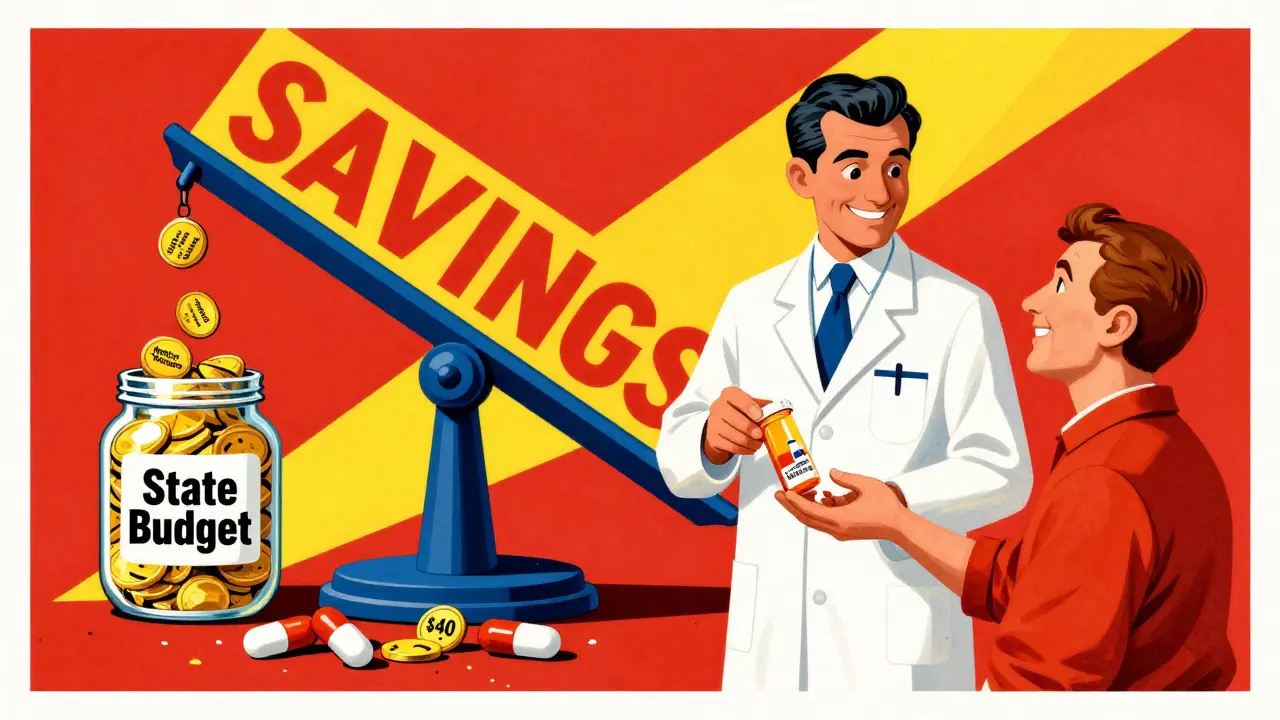
When you hear generic drugs, medications that contain the same active ingredients as brand-name pills but are sold under their chemical name. Also known as generic medication, they are the backbone of affordable healthcare in the U.S., saving patients and the system over $467 billion a year. But many people still worry: are they really the same? Do they work as well? Is there a hidden catch?
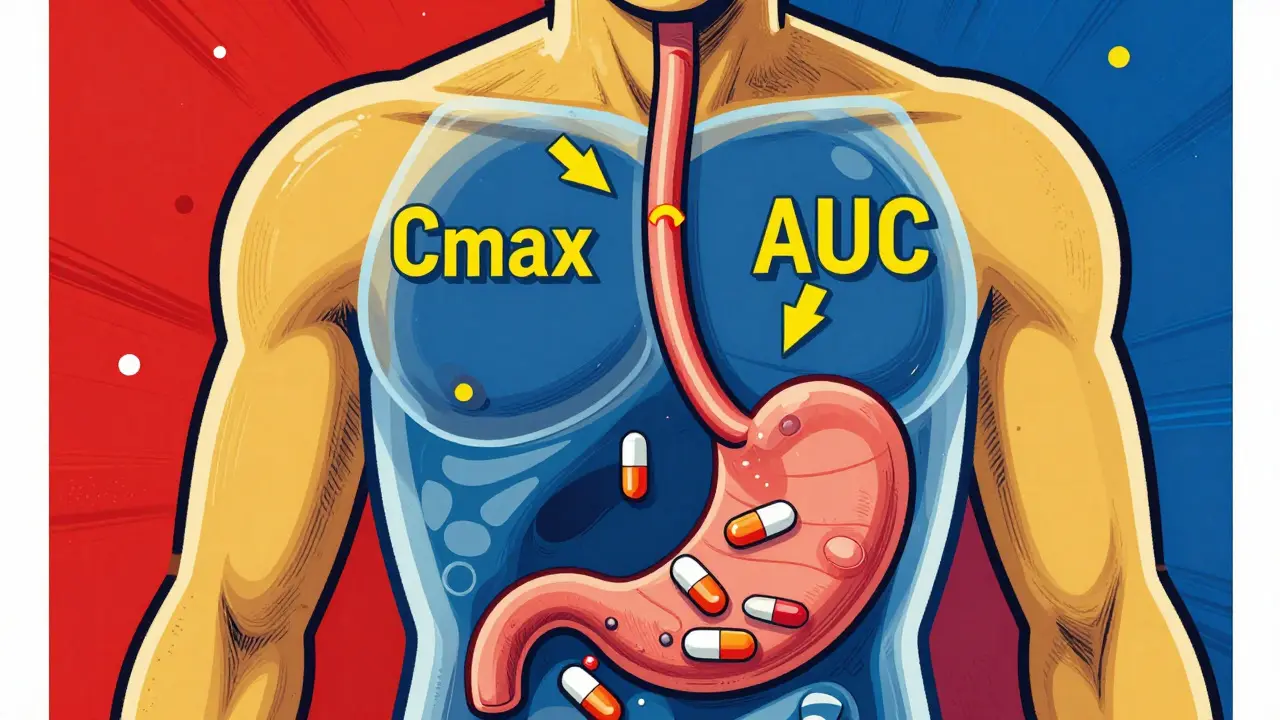
The answer is yes—they’re the same in active ingredients, strength, dosage, and how your body absorbs them. The FDA requires generic drugs to meet the exact same standards as brand-name versions. The only differences are in the inactive ingredients—like fillers or dyes—which don’t affect how the drug works. That’s why a $5 generic version of amoxicillin does the same job as a $50 brand-name pill. But here’s the twist: while the drug inside is identical, the FDA approval process, the complex, costly, and often delayed pathway for generic drugs to reach the market can take years. Some applications cost over $375,000, and vague feedback from regulators can lead to repeated rejections. That’s why even though generics are cheaper, they don’t always show up on shelves right away.
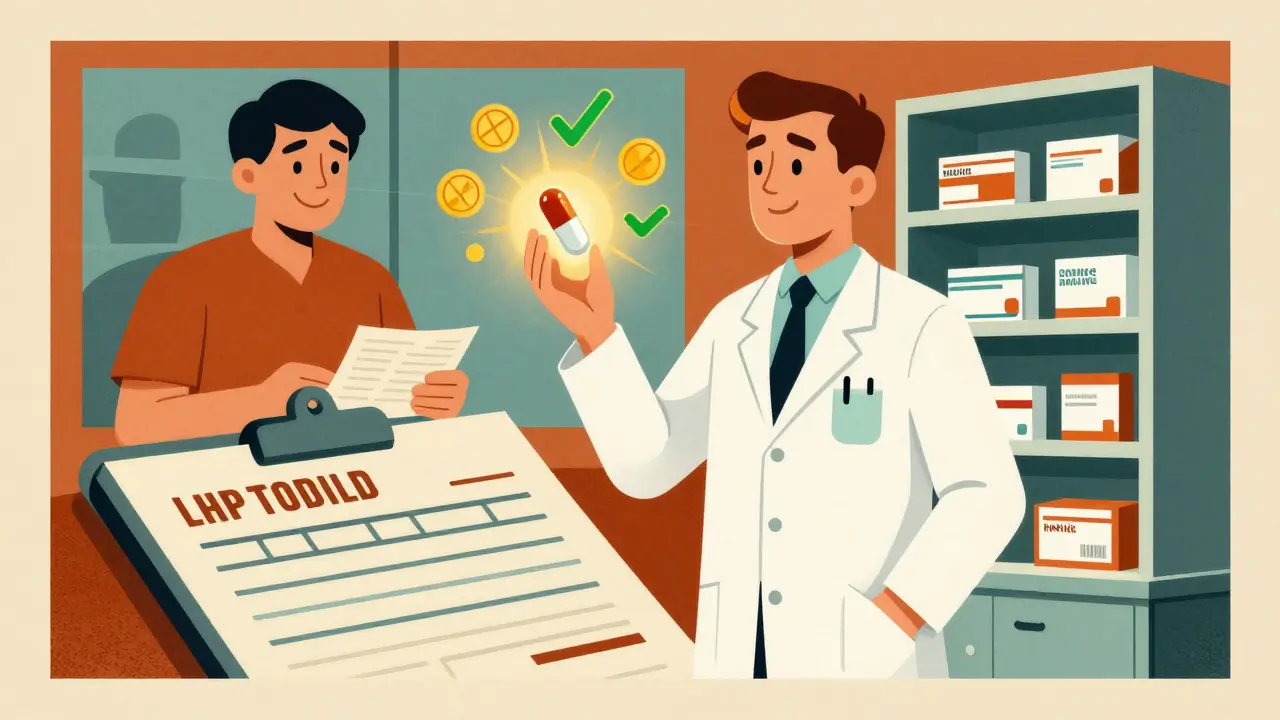
And it’s not just about cost. brand name drugs, medications originally developed and marketed by pharmaceutical companies under a proprietary name often have more marketing, more patient support programs, and more visibility. That makes people think they’re better. But if your doctor prescribes a generic, it’s not a downgrade—it’s a smart choice. Just make sure you’re getting it from a licensed pharmacy, a pharmacy verified by state and federal authorities to sell safe, legitimate medications. Counterfeit drugs look real but can be dangerous. Always check for NABP accreditation or ask your pharmacist for proof of sourcing.
Some people switch from brand to generic and notice a difference—but it’s rarely the drug itself. It’s often the change in size, color, or shape of the pill. Your body gets used to one look, and suddenly it’s different. That can trigger anxiety, which feels like a side effect. Or maybe you’re taking multiple meds, and the new generic interacts differently with your other drugs because of the fillers. That’s why your medical history matters. If you’ve had bad reactions before, tell your doctor. Don’t assume all generics are the same across manufacturers.
Generic drugs aren’t just about saving money—they’re about access. Without them, millions couldn’t afford blood pressure pills, insulin, or antibiotics. But access doesn’t mean safety unless you know how to use them right. That’s why the posts here cover everything from how to verify your pharmacy to how FDA delays keep prices high, how to manage side effects, and what to do if you think your generic isn’t working. You’ll find real stories, practical tips, and clear comparisons—not marketing fluff.
Below, you’ll find real-world guides on how to use generics safely, how to spot fake ones, how they interact with other meds, and why sometimes the cheapest option isn’t the best one. This isn’t theory. It’s what people actually need to know to stay healthy and save money without taking risks.